
Emerging Middle Powers: Germany and Canada Seek a Common Path
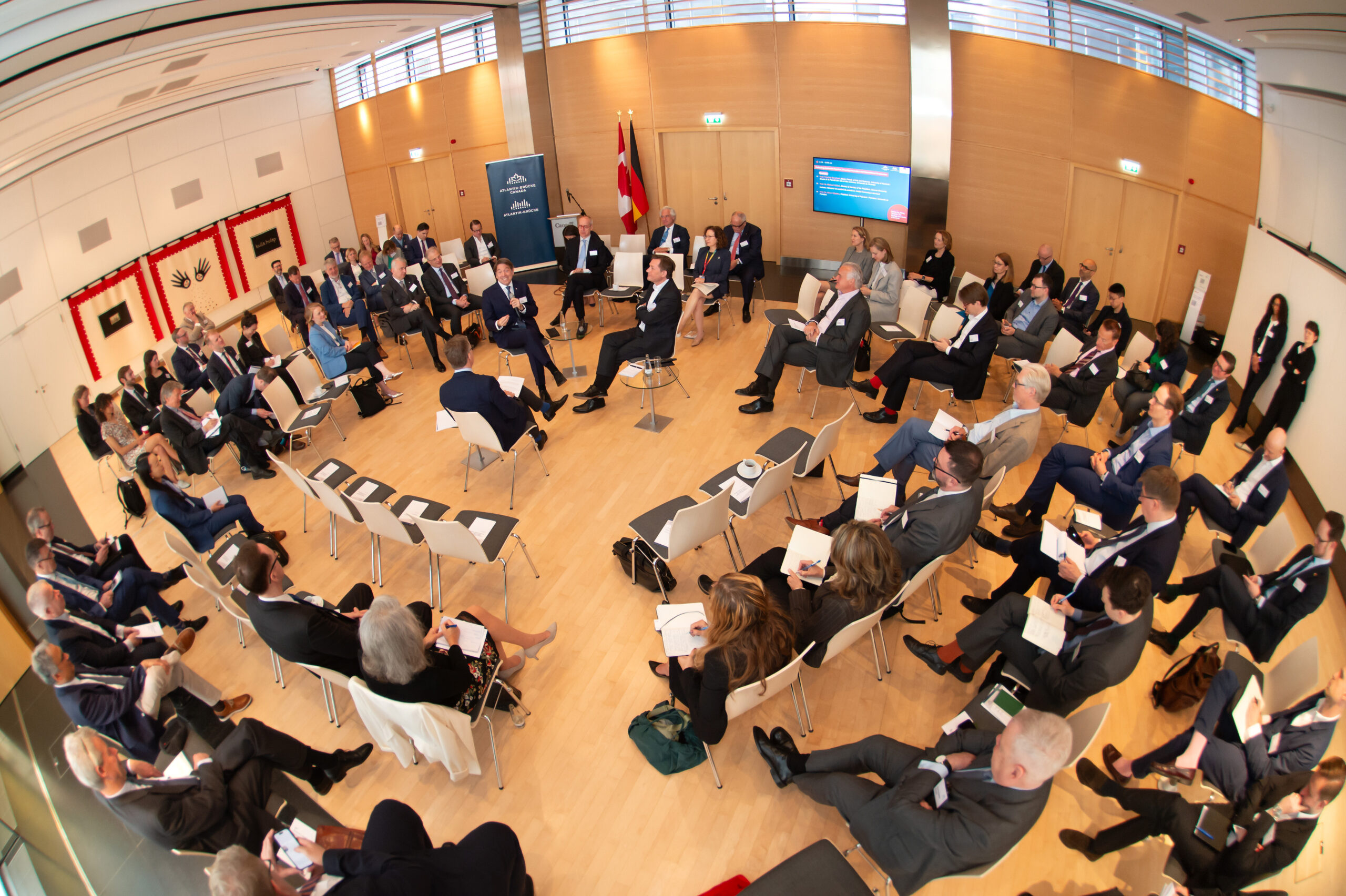




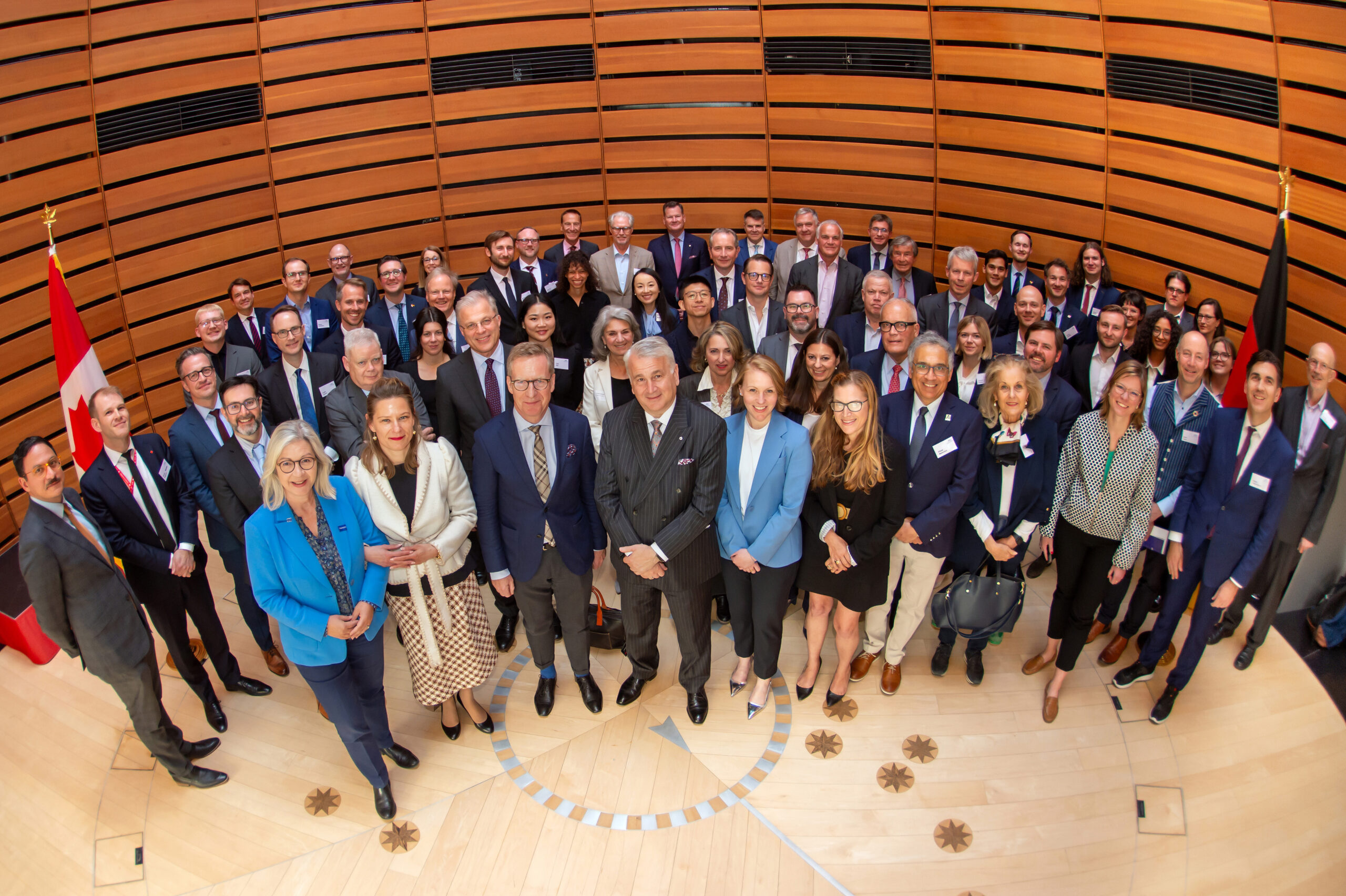
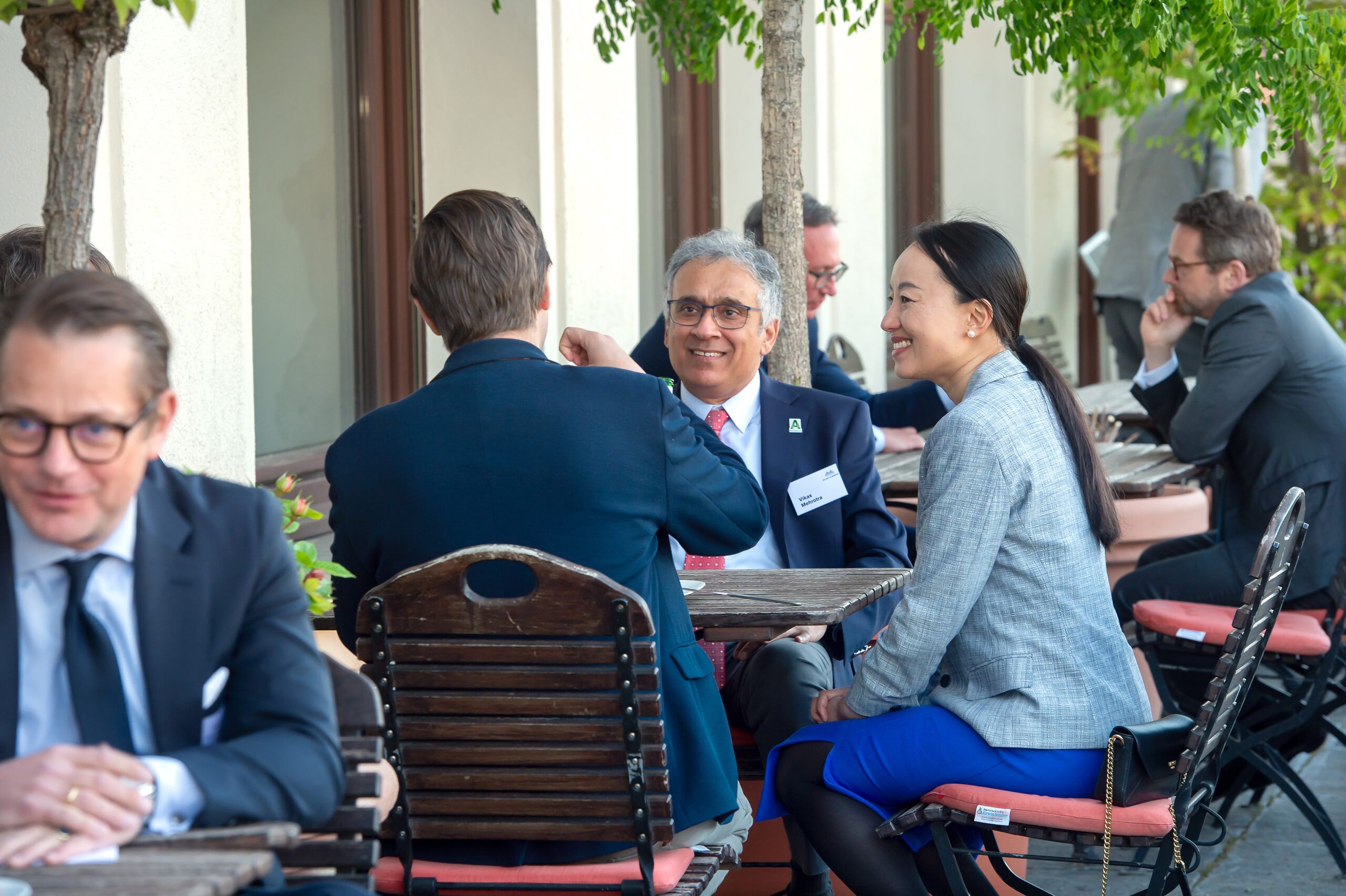

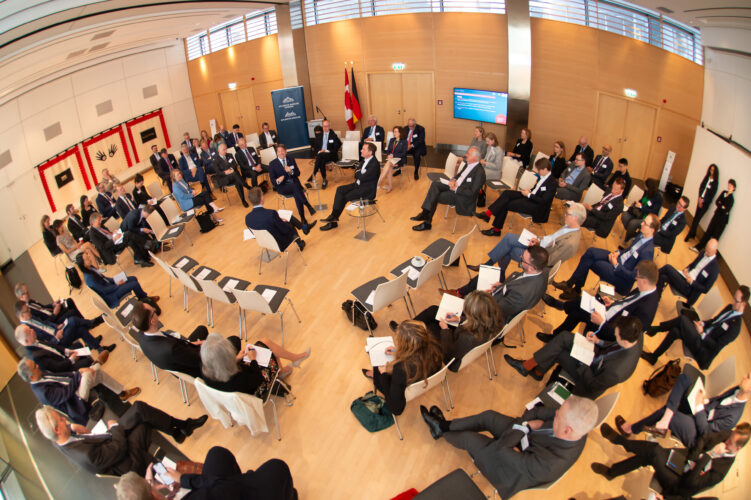
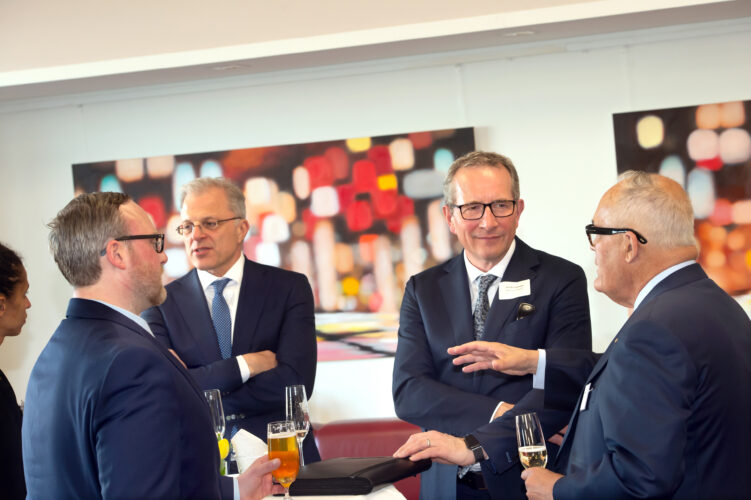




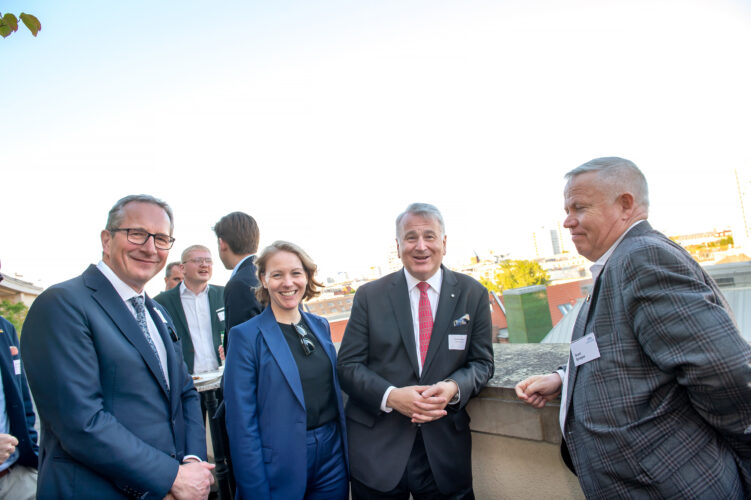
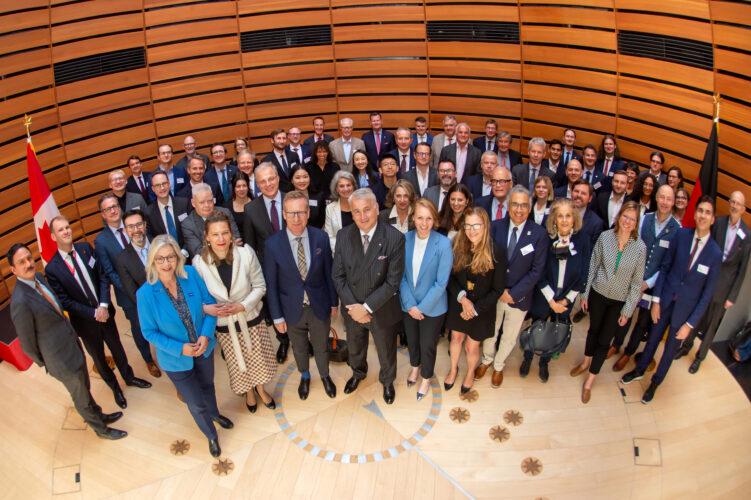
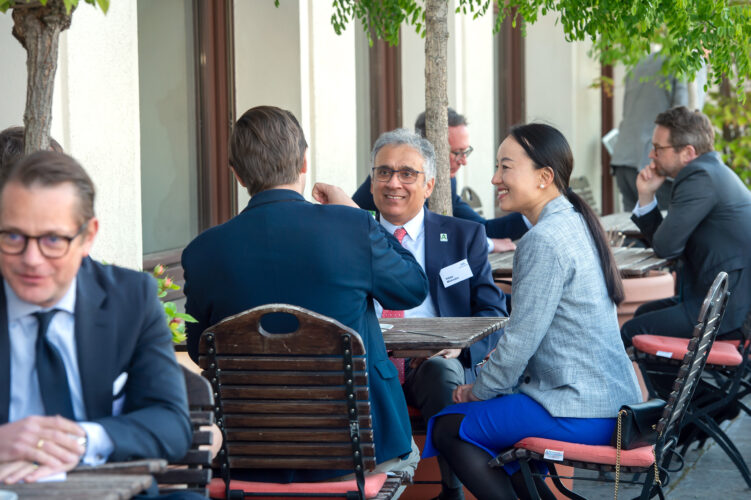

Critical minerals, a new EU-Canada security partnership, and sovereign AI: The 39th German-Canadian Conference of Atlantik-Brücke, held on May 18 and 19 in Berlin, explored how two middle powers can jointly gain room for maneuver in a world order shaped by great power competition.
The 39th German-Canadian Conference, organized by Atlantik-Brücke and its Canadian counterpart, brought together policymakers, industry representatives, and academics from both countries in Berlin on May 18 and 19, 2026. The first day began with a visit to the Bundesrat, followed by a joint event with the Transatlantic Business Initiative at the Haus der Deutschen Wirtschaft. The focus there was on critical minerals and the German-Canadian Memorandum of Understanding on raw materials cooperation between the two countries.
The main conference day on the second day at the Canadian Embassy covered a wide range of geopolitical and societal issues: topics included transatlantic research cooperation, the strategic importance of the Arctic, the EU-Canada Security and Defense Partnership, the upcoming AI transformation in the media industry, and the German-Canadian Digital Alliance.
On the sidelines of the conference, we interviewed Michael Hüther, Director and Member of the Presidium of the German Economic Institute as well as Vice-Chairman of Atlantik-Brücke and Prof. Nik Nanos, Founder & Chief Data Scientist of Nanos Research and Chairman of Atlantik-Brücke Canada. Both have been integral parts of the conference for a decade and spoke with us about how the conference’s topics have been influenced by the geopolitical upheavals of recent years, why academic freedom is a competitive advantage for middle powers like Germany and Canada and how they view their respective governments’ track record after their first year in office.
Recommended reading: The briefing paper by David Bosold and David G. Haglund examines the “special relationship” between Canada and Germany through the lens of “strategic culture,” using the symbols of middle power and linchpin as analytical anchors.