
 By Janhvi M. Bhojwani, New Bridge Alumna of NBP to Germany, 2024.
History is often taught through dates, events, and the decisions of people who lived long before us. How we understand and relate to that history is deeply personal, shaped by our families, immigration patterns, education, identities, and the societies in which we grow up.
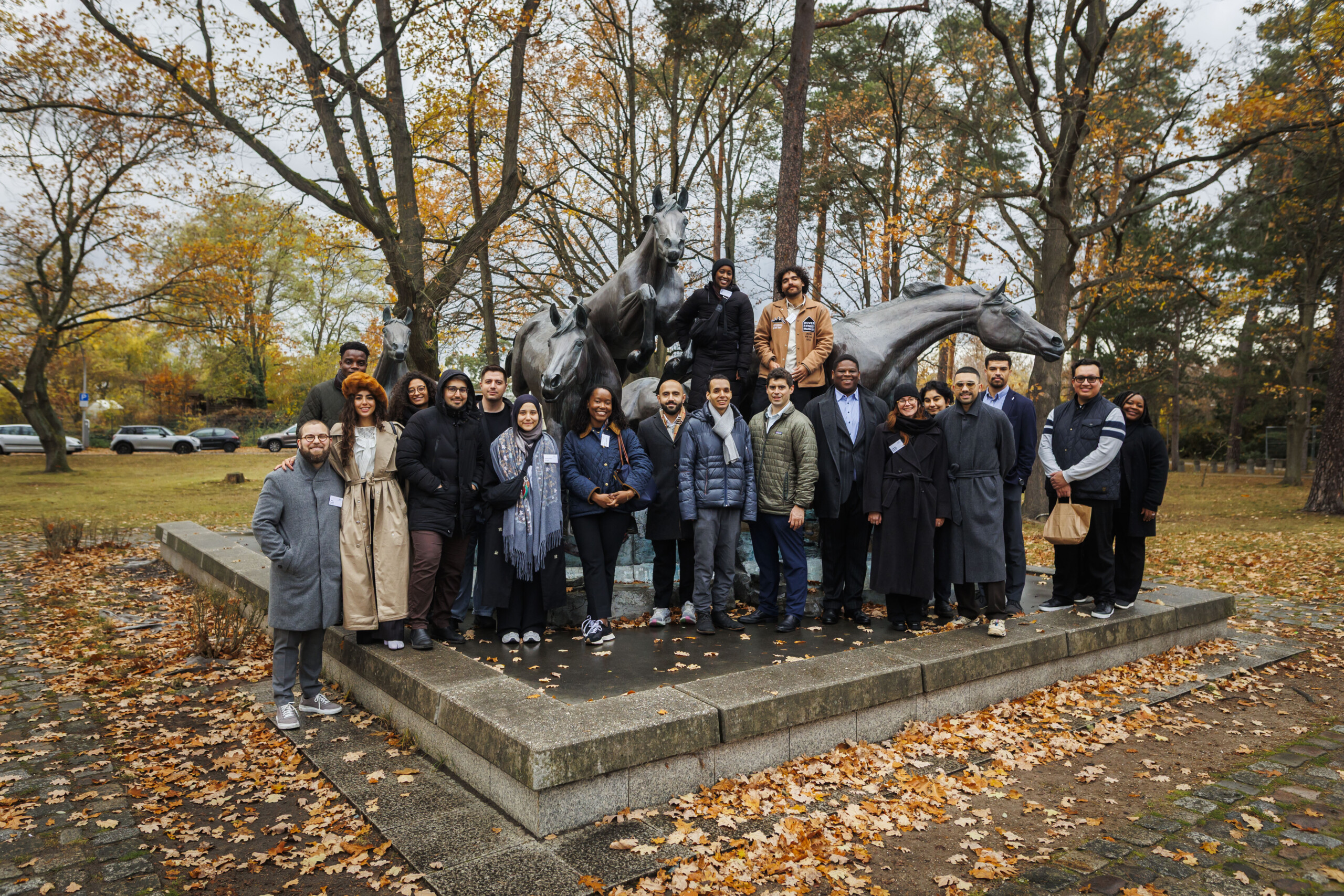
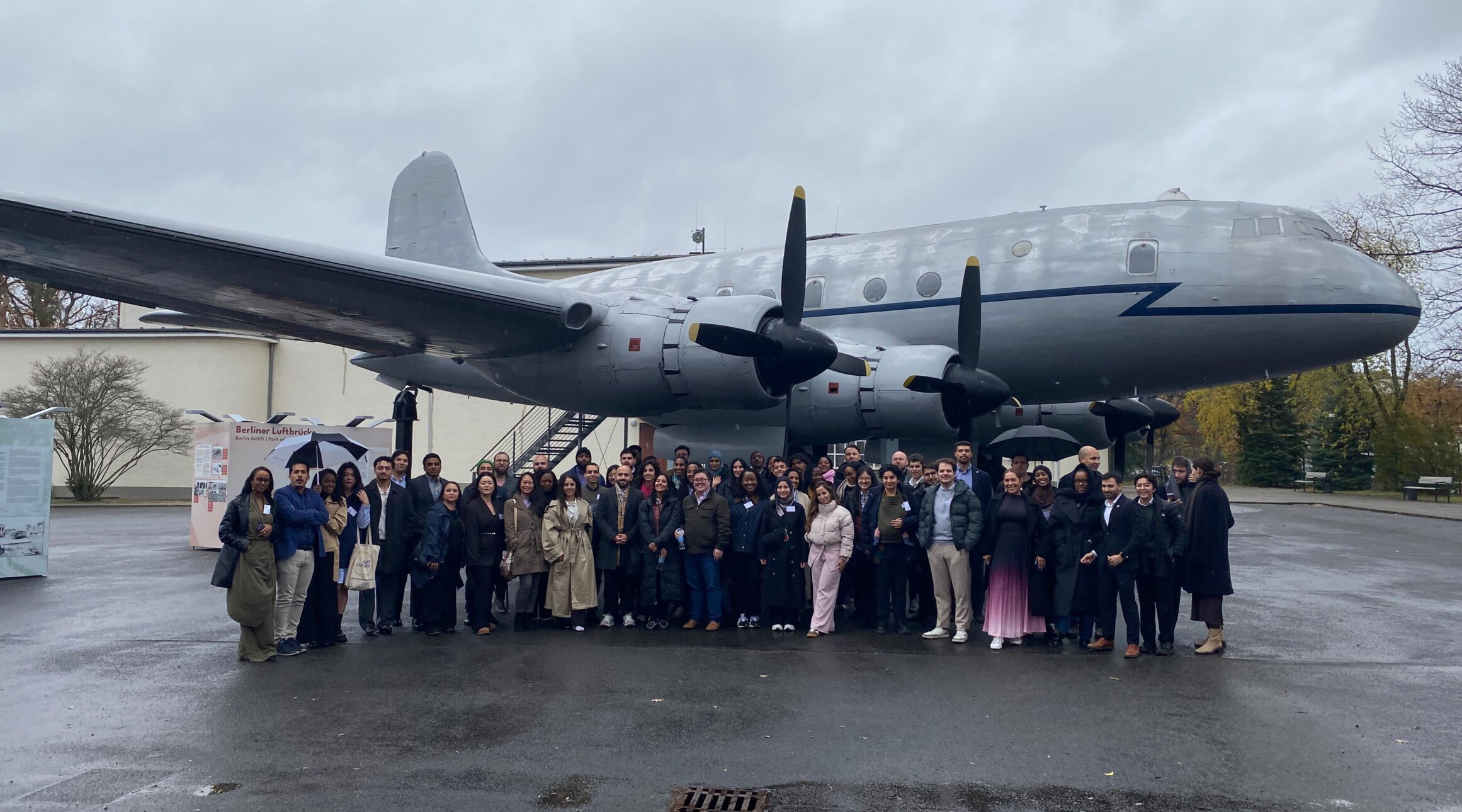
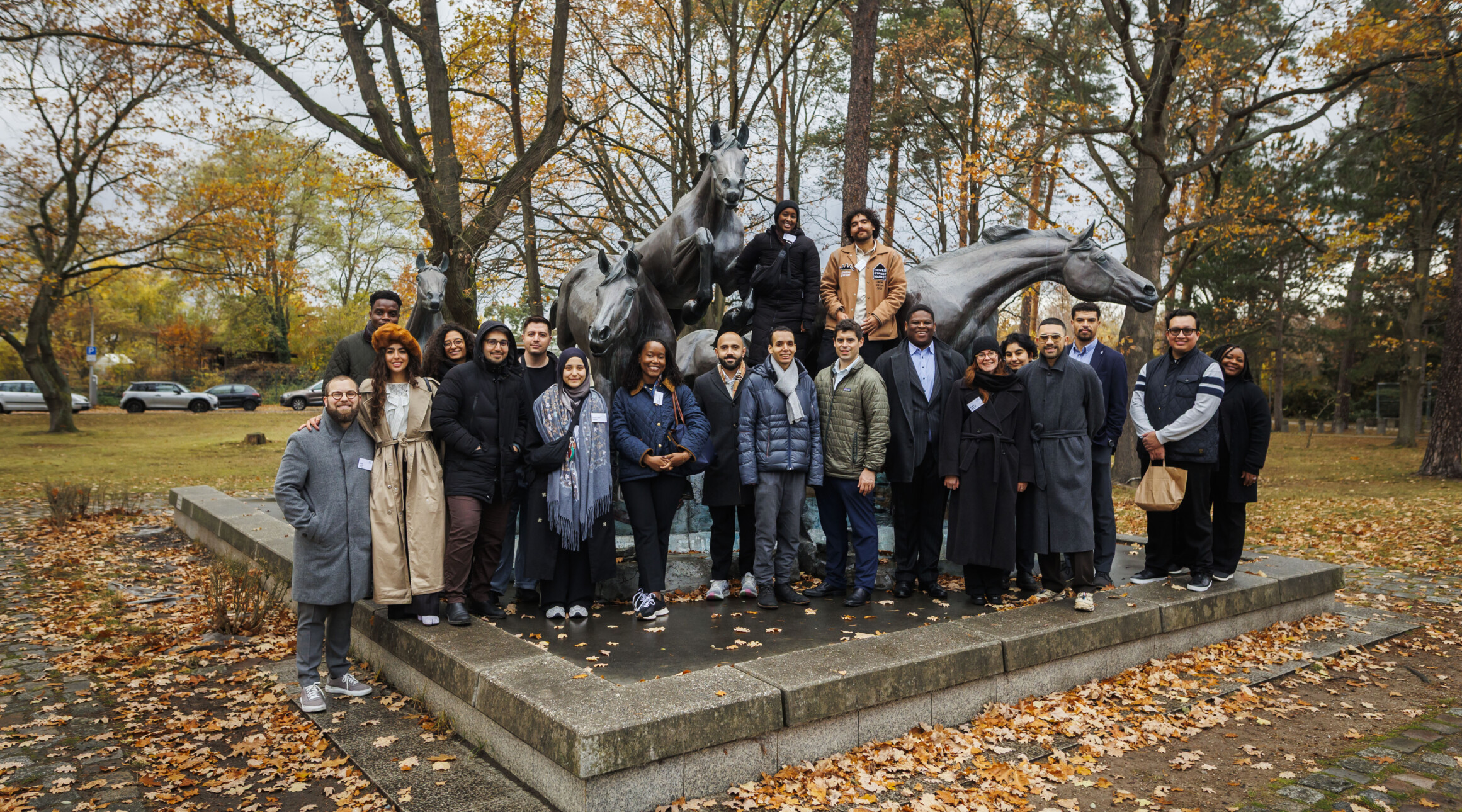
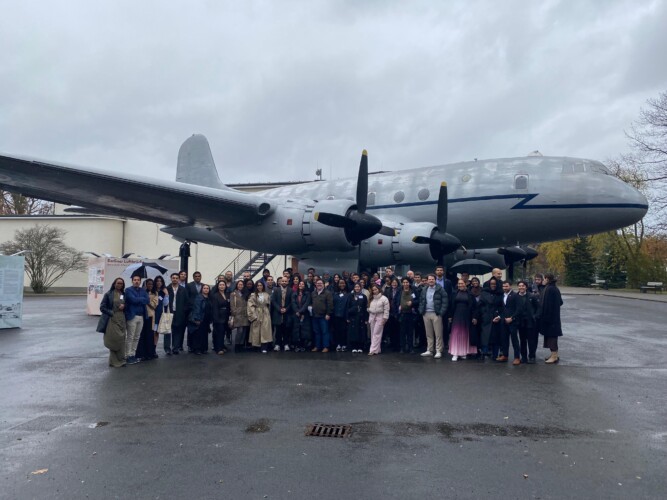
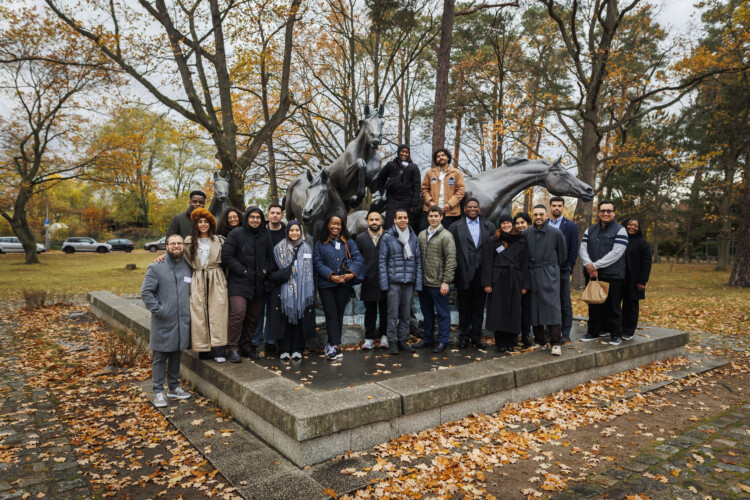
During New Bridge’s fifth anniversary Alumni Conference in Berlin, dozens of American and German Fellows gathered to reconnect and reflect on the histories that continue to impact our societies.
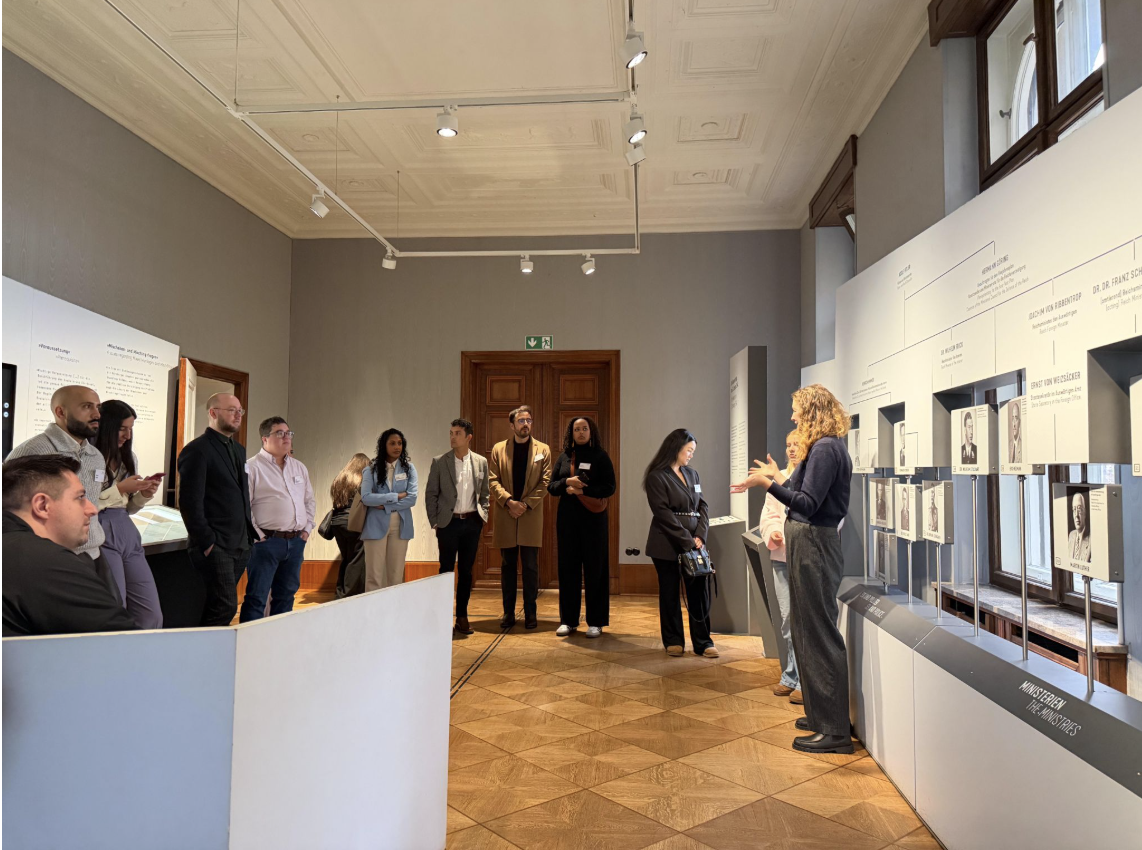
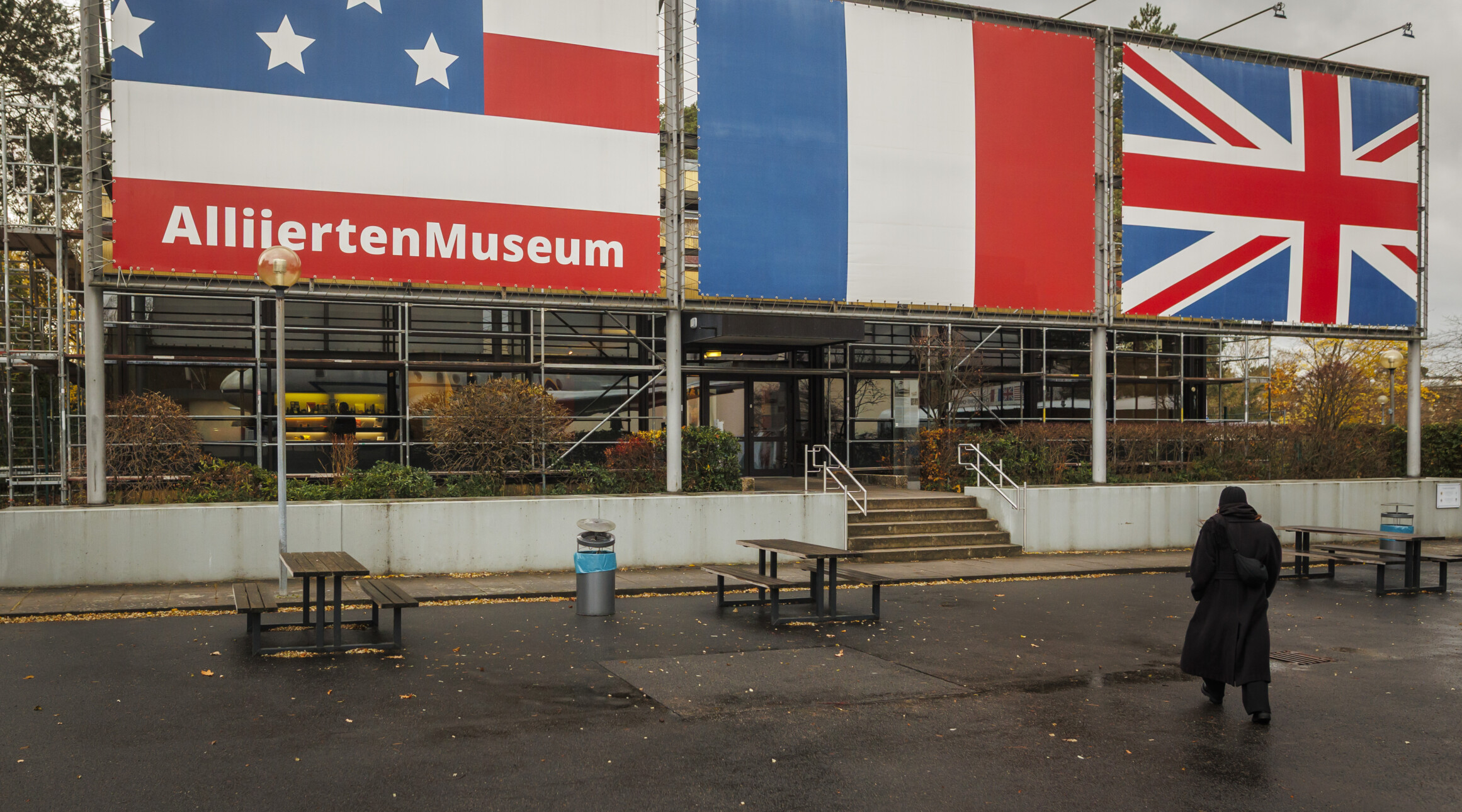
Our visits to the House of the Wannsee Conference and the Allied Museum offered opportunities to engage with some of the most consequential chapters of German and transatlantic history. What I valued beyond what we learned at these sites was hearing the conversations among Fellows about how differently we related to the same past.
For some German Fellows, the history we encountered was intertwined with their families’ experiences and their own identities. For Americans, a lot of this history was shaped through classrooms, museums, and books.
We were examining the same historical events, but not necessarily carrying their legacies in the same way.
Education and History
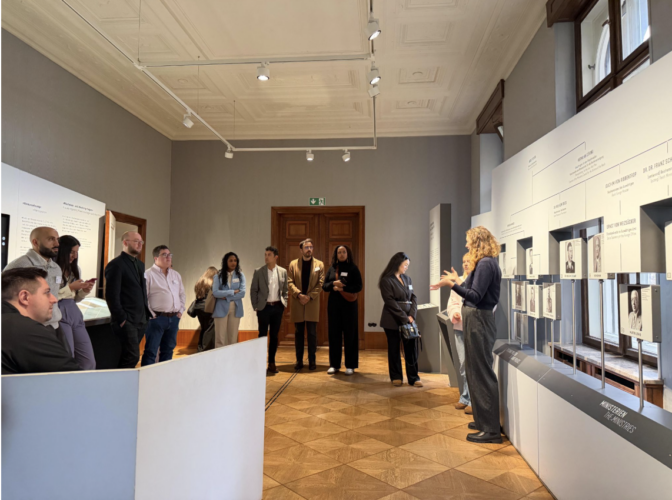
“Can education prevent history from repeating itself?”, one German Fellow asked during our visit to the House of the Wannsee Conference, where Nazi officials gathered in January 1942 to coordinate the systematic murder of Europe’s Jews.
Our guide, Emma, offered a grim response: Education does not necessarily immunize people against radicalization. Even some of those who helped carry out the Nazi regime’s atrocities were highly educated.
The House of the Wannsee Conference is what our guide described as a “perpetrator site.” Rather than focusing solely on the victims of Nazi persecution, the memorial confronts visitors with the individuals and institutions responsible for organizing genocide.
In a meeting lasting approximately 90 minutes, 15 senior-level Nazi officials and bureaucrats coordinated the implementation of a genocide already underway. The surviving meeting minutes, known as the Wannsee Protocol, offer concrete documentary evidence of how mass murder was discussed through the language of government bureaucracy.
For Julian Pecora, the newly elected president of the New Bridge Alumni Council, the contrast between Wannsee’s tranquil surroundings and the atrocities coordinated there was particularly striking.
“What stayed with me about Wannsee was how beautiful and peaceful it was, and how hard it was to reconcile that setting with what Nazi officials discussed there,” he reflected.
As a lawyer, Pecora was also struck by the seemingly routine language of the meeting minutes.
“It made me think about how dangerous it is when extremist ideology takes hold of institutions and people stop questioning what their work helps accomplish,” he said.
As a journalist whose work has examined misinformation, extremism, and the ways institutions and information shape public understanding, I found the guide’s observation about education particularly unsettling.
We often assume that greater access to knowledge produces more informed, tolerant societies. Unfortunately, access to education singularly does not guarantee critical thinking, empathy, or resistance to extremist ideologies.
How History Shapes Remembrance
One unexpected conversation among Fellows concerned something seemingly ordinary: displaying a national flag.
In the United States, the Stars and Stripes is a familiar expression of patriotism. We proudly display our flags outside homes, in schools, and at public celebrations.
A German Fellow explained how expressions of national pride can carry different meanings in Germany, where the legacy of National Socialism has made nationalism a particularly sensitive subject.
Another Fellow challenged my assumptions about Germany’s widely recognized culture of remembrance, suggesting that its development was shaped partly by the country’s defeat in World War II and subsequent pressure to confront its past.
Americans often approach history through narratives of progress, resilience, and optimism, even as we continue debating how to reckon with slavery, racial injustice, and other painful chapters of our national story.
Germany’s culture of remembrance places particular emphasis on acknowledging historical responsibility and confronting the consequences of its past.
Neither society has a singular relationship with history, but these conversations raised a question: How can nations cultivate pride and optimism without minimizing the injustices that helped shape them?
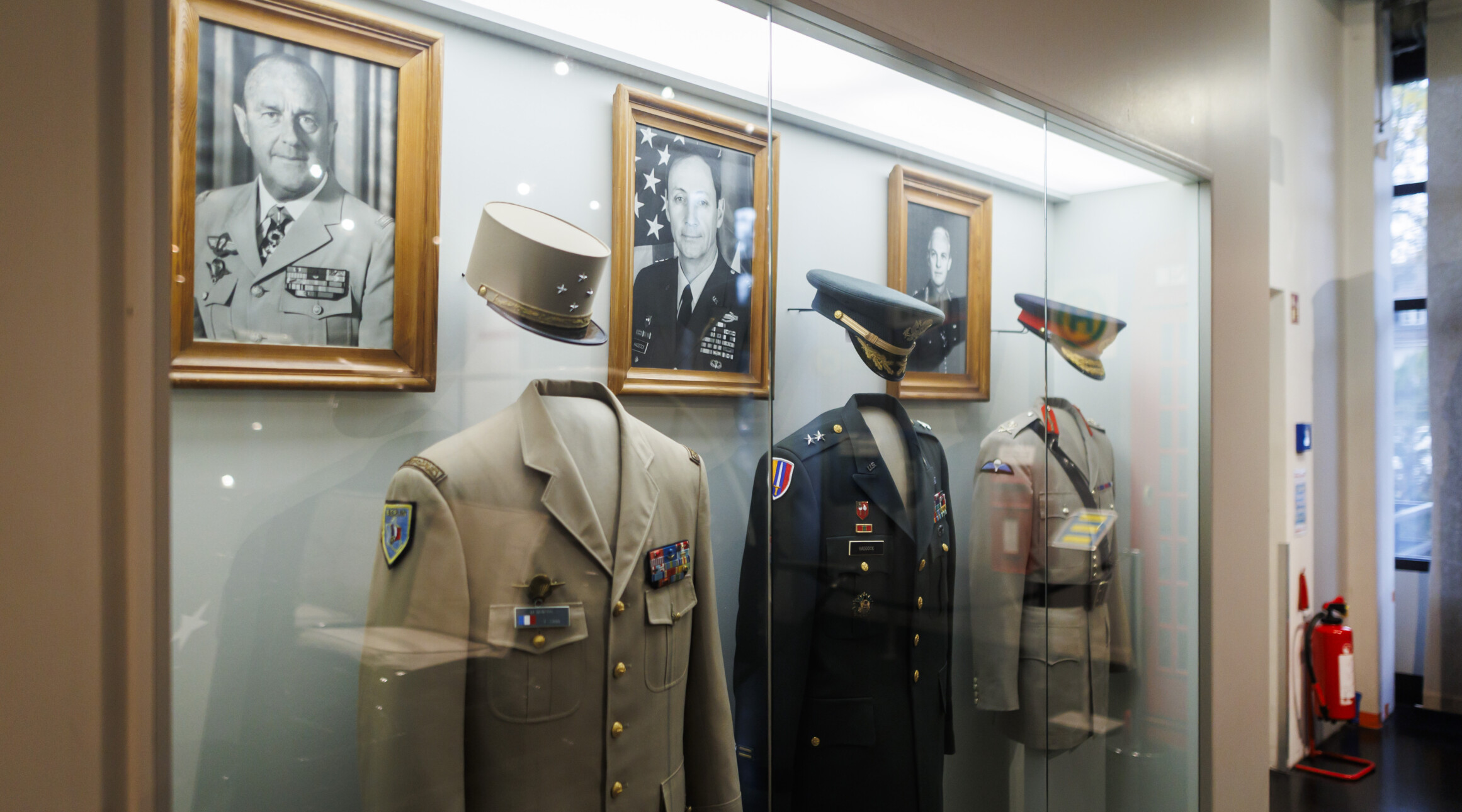
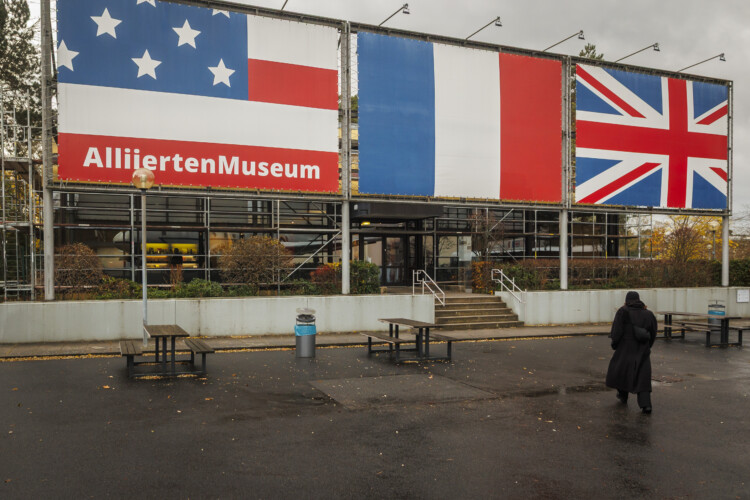
At the Allied Museum, we encountered another dimension of this question: how historical understanding evolves across generations.
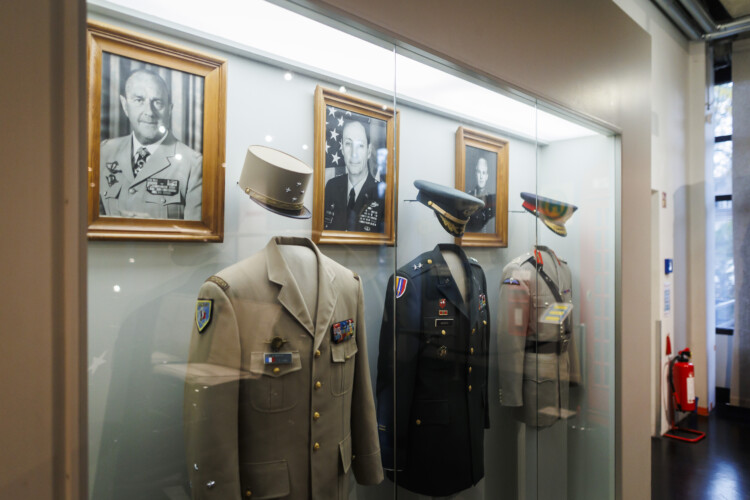
The museum documents the Western Allies’ presence in Berlin from 1945 to 1994, tracing the transformation from military occupation and Cold War division to international partnership.
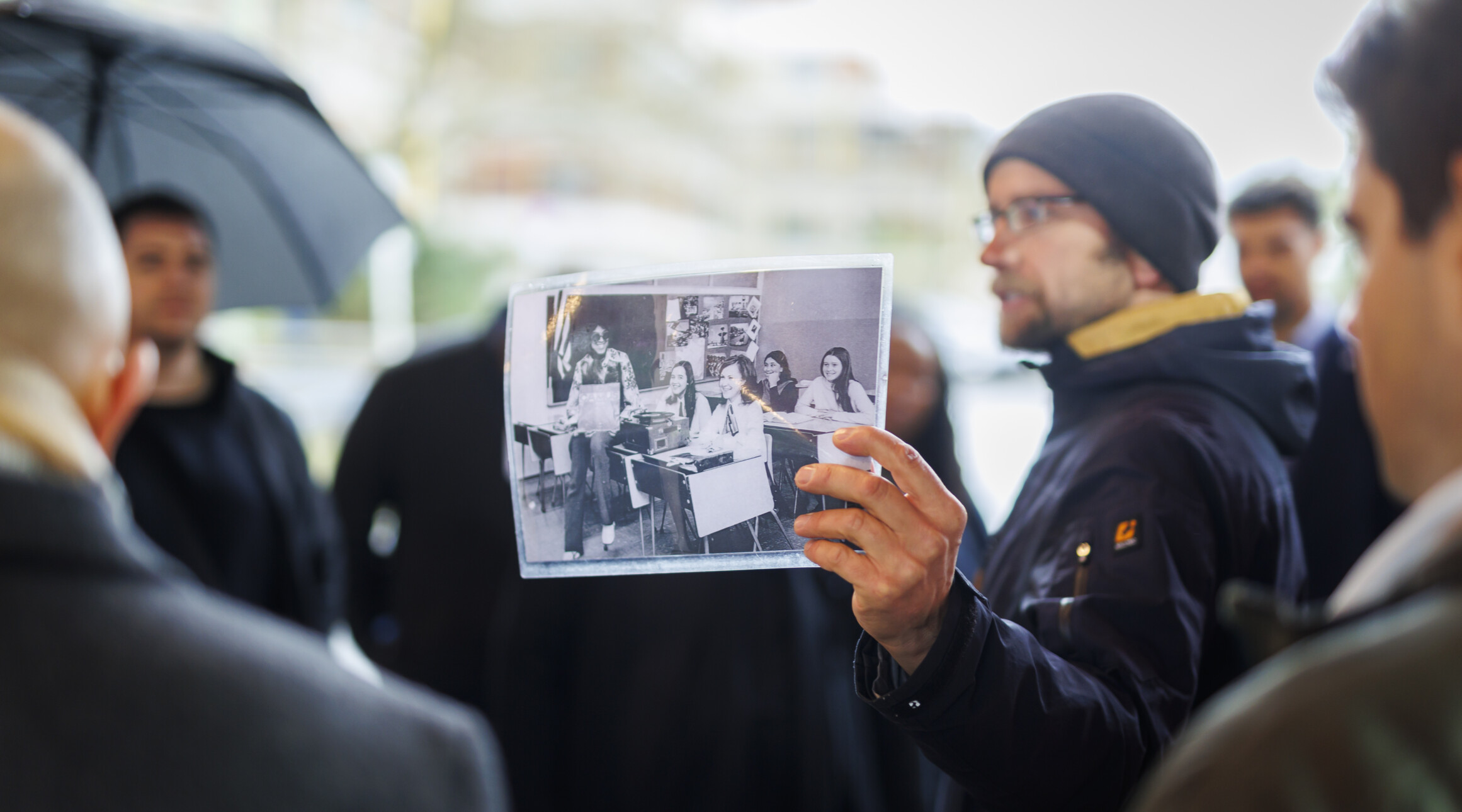
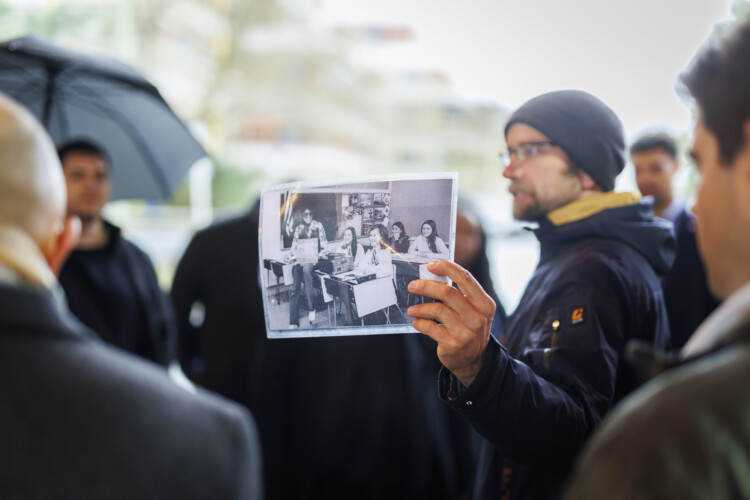
Our guide discussed plans to rethink how the museum presents its history to younger generations, some of whom may no longer understand what the term “Allies” originally represented.
It was a reminder that historical knowledge cannot be taken for granted. As generations become further removed from historical events, the challenge is not only to preserve the past, but to make its lessons meaningful to those who inherit it.
Remembering Is a Perpetual Responsibility
I left Berlin thinking about the difference between learning history and understanding its implications.
Museums can preserve documents, artifacts, and testimonies. Schools can teach historical facts and recommend readings. However, neither of these entities can guarantee that societies will recognize dangerous patterns when they reappear in real time.
In an increasingly fragmented information ecosystem, where people encounter different narratives of the same events, questioning what we are told and understanding how historical narratives are constructed becomes all the more important.
This New Bridge experience was so unique and meaningful because of the opportunity to see how history lives beyond our museum walls in our families, identities, national symbols, and through conversations between people raised on opposite sides of the Atlantic Ocean.
Five years into New Bridge’s transatlantic exchange, one of its greatest contributions is creating space for precisely these conversations, allowing us to move beyond familiar narratives and understand one another more deeply.
No matter which side of the Atlantic we come from, history is something we inherit. How we understand it, question it, and carry its lessons forward is a responsibility we all share.