






By Derek J. Arthur, Young Leaders Alumnus 2026
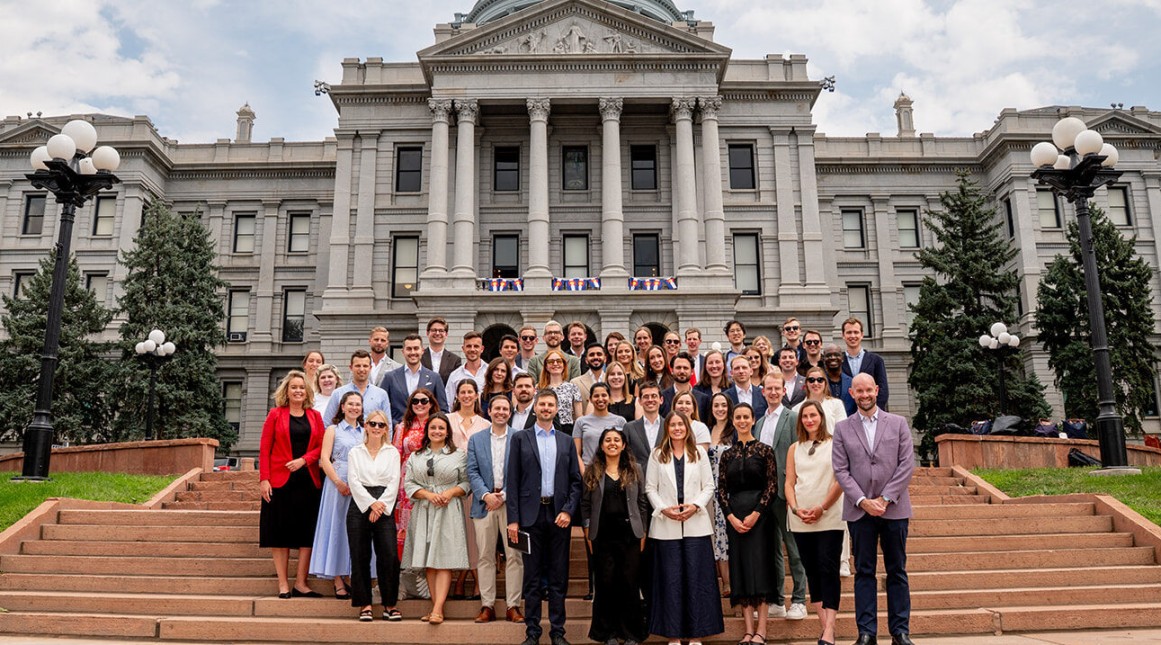
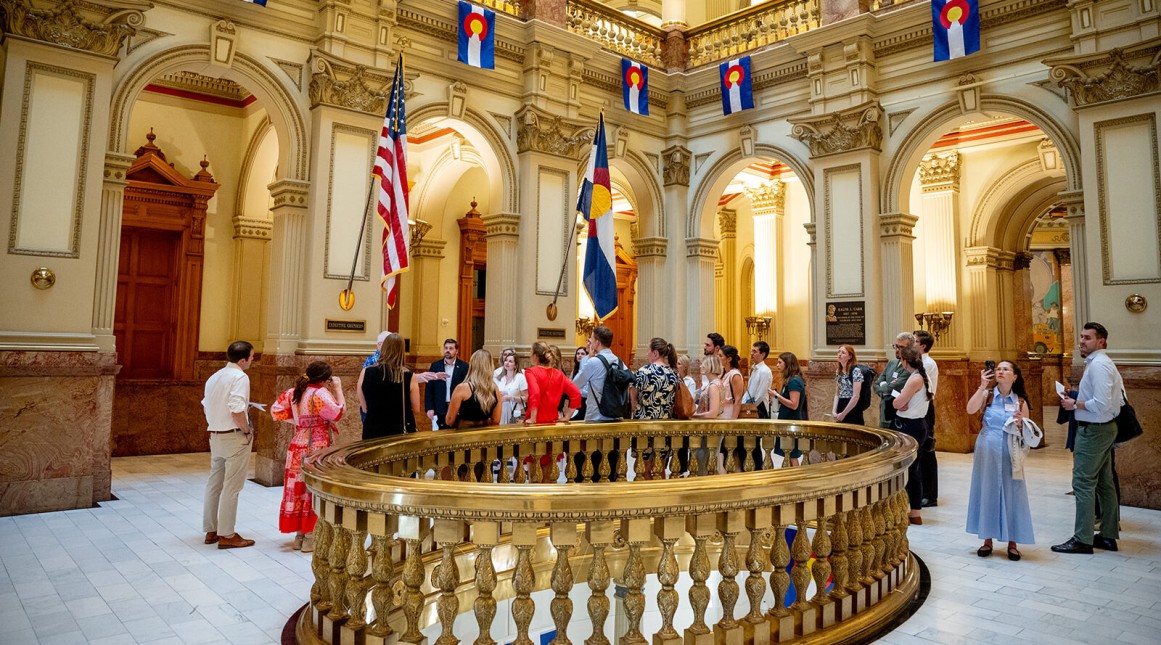
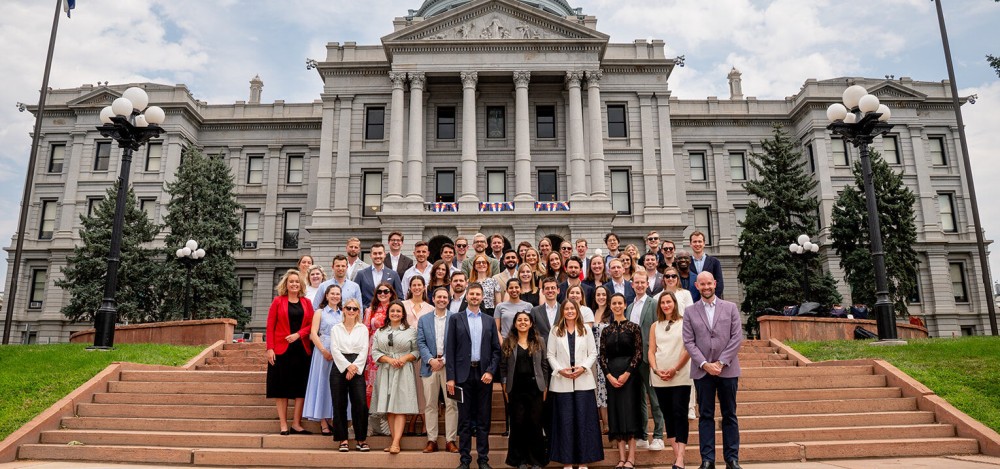
Over the course of six days in Denver, Colorado, a group of young Europeans and Americans confronted every major problem facing transatlantic relations today; and in one spirited working session after another, fixed them all. The end.
Kidding, of course.
Despite our motivation and professional accomplishments, I do not believe any of the fifty attendees of the 2026 Atlantik-Brücke German-American Young Leaders Conference were naive enough to think that in under a week, we would put any dent in the immense challenges caused by a shifting global order, the uneasiness of artificial intelligence, threats to NATO, or the loss of trust among historical allies. What we did do, instead, was voice our pessimism.
In an exercise on our first full day, we organized ourselves along an axis based on our feelings about the state of transatlantic relations. If most optimistic was a 10 on a scale, I put myself just above a 6. To me, the long-standing issues facing the transatlantic alliance have been exacerbated by the current administration. But I believed, as I imagine many on the optimistic side did, that although the relationship will likely have to take on a new form and there will be wounds to recover from, we will survive.
So I was caught off guard to see not just the number of people on the pessimistic side, but that the majority of them were European. I wondered if my optimism was naive, and I knew I was not the only one. An American policy advisor and fellow optimist expressed dismay that despite all their work trying to develop relationships, the European counterparts they deal with on a daily basis may also actually be feeling as cynical as those on the other side of the hotel event space.
“The US develops its own defense capabilities, keeping Europe at arms length”
By the end, we Germans and Americans (and one dapper Dane and a lovely Pole) did not in fact save transatlantic relations. If anything, we unearthed new concerns — rarely the recipe for renewed optimism. Dr. Malte Schmiedling, a Senior Policy Advisor on AI in Health for the German Federal Ministry of Health, and a member of my cohort, had originally taken a middle position on the scale. But after a tour and presentation at the Laboratory for Atmospheric and Space Physics (LASP), a world-renowned space science research facility, he slouched to a pessimistic 3 or 4. Dr. Schmiedling observed that even as the US develops its own defense capabilities, it was keeping Europe at arms length, ultimately sidelining a strong ally. But even as Europe is finding its footing in this unequal partnership, he noted that his pessimism is not yet at 0. “It can still go much worse,” he added cheekily.
Problems felt on both sides of the Atlantic
The tenor of the week was not all pessimism and frustration, though. The diverse range of panel discussions allowed experts to share their thoughts about problems felt on both sides of the Atlantic. In a panel on immigration policy, lawyers spoke about navigating the influx of migrants into Denver for nearly two years, starting from late 2022. During that time, the city took in over forty thousand migrants, among the highest per capita of cities in the US. To support the asylum seekers awaiting work authorization — and avoid creating a larger homeless situation — Denver implemented a program that provided rent-free housing, legal assistance and workforce training.
In another session with The Metro Mayor Caucus, a bipartisan group of mayors from the Denver area who collaborate to find solutions for their communities, the local leaders also shared their insights from their on-the-ground efforts in addressing the migrant surge. Germany’s own crisis of asylum seekers nearly a decade prior also came up as a case study. I was struck by the innovation the panelists showed —- paying for tickets to relocate migrants to places where they had family, for example —- but also by the costs. According to one mayor, that meant cutting nearly $50 million dollars from their city budget and several hundred layoffs, all while dealing with the day-to-day responsibilities of “police, parks and potholes.”
“My big takeaway is that we all have issues,” one mayor said. “And I think we all have solutions,” he continued. “But we won’t know what those issues are or what those solutions might be if we don’t talk to each other, ask questions and be willing to listen.”
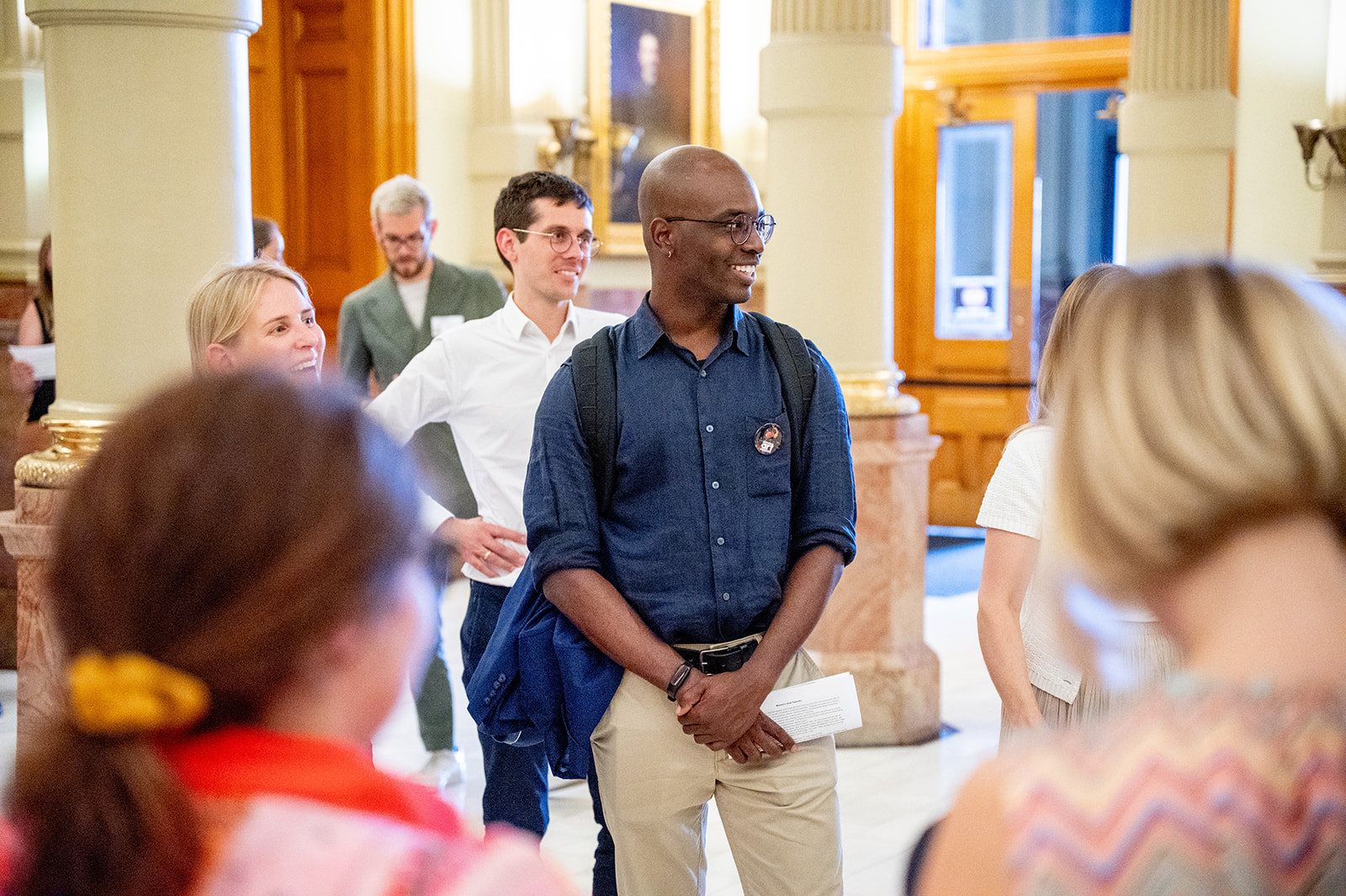
I enjoyed getting to know my cohort. These current and future leaders are well-informed, nuanced in their analyses, curious and willing to listen. It is why I still felt a certain optimism by the end of the week. Beyond their professional credentials, though, I learned that they were also funny, competitive and some of the most enthusiastic karaoke buddies on either side of the Atlantic. My German comrades: I will be practicing “Skandal Im Sperrbezirk” for the next time we meet!
For more insights from our Young Leaders, watch the video below: