


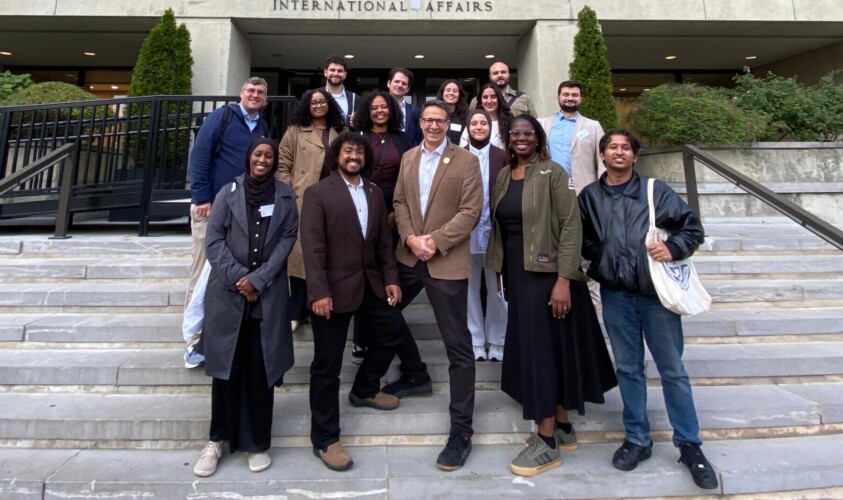
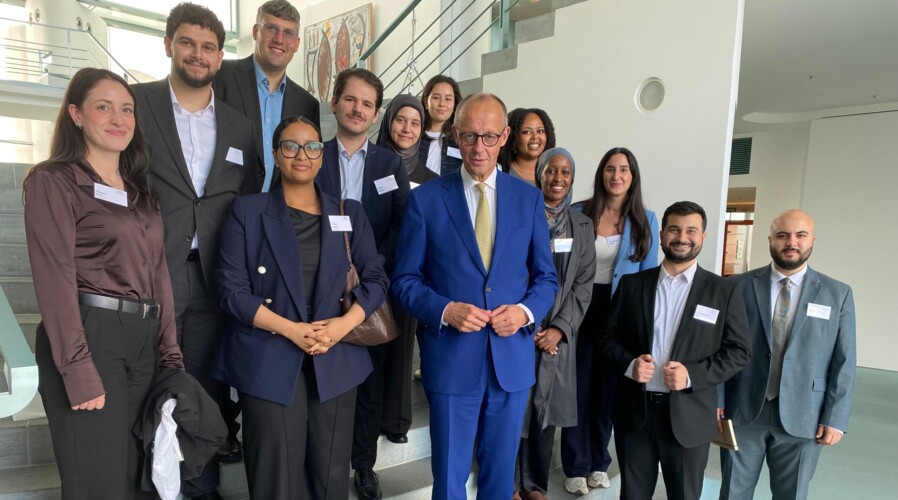
Reflections on health, history, and solidarity from the New Bridge Program to the US, Class of 2026.
By Iqra Adan
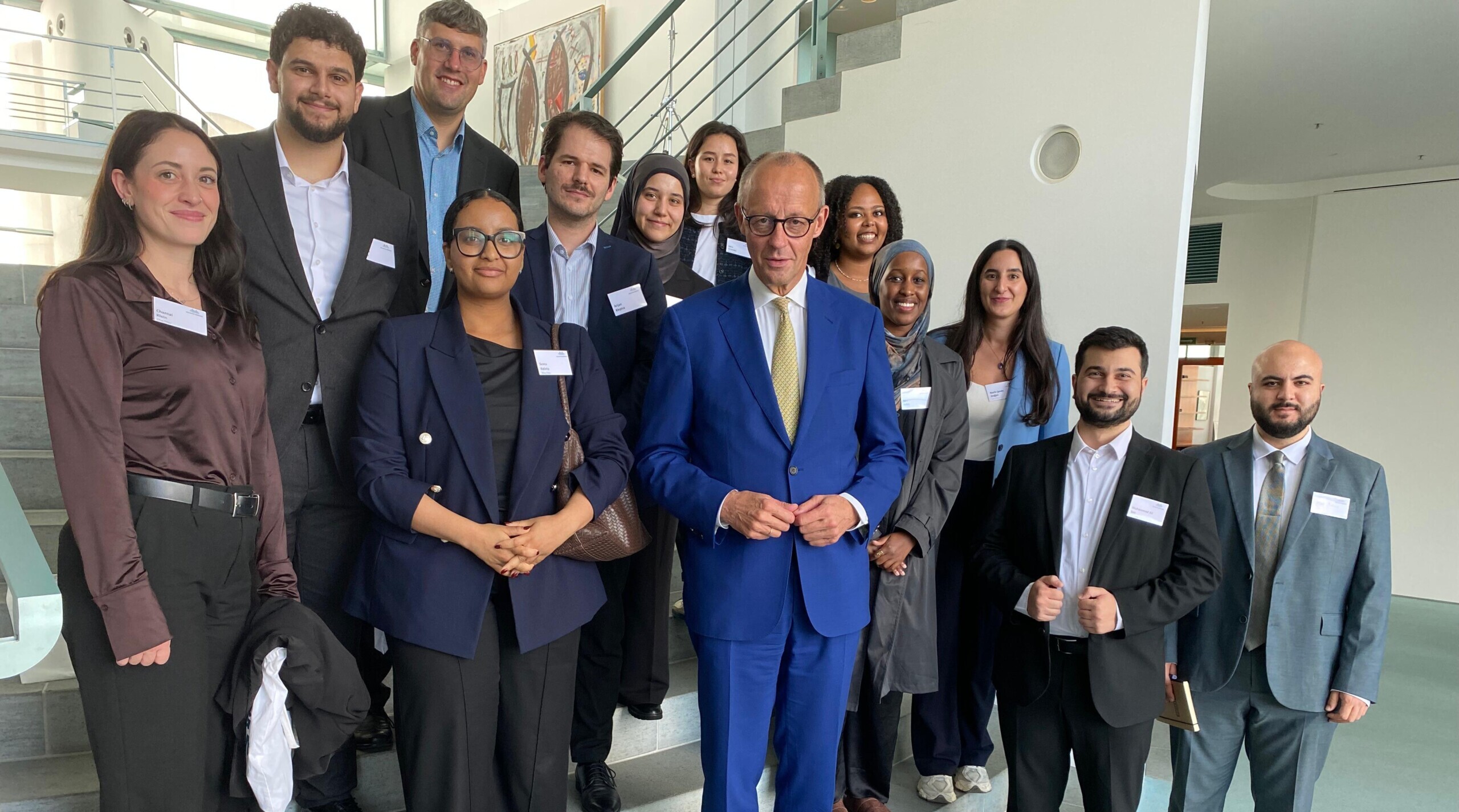
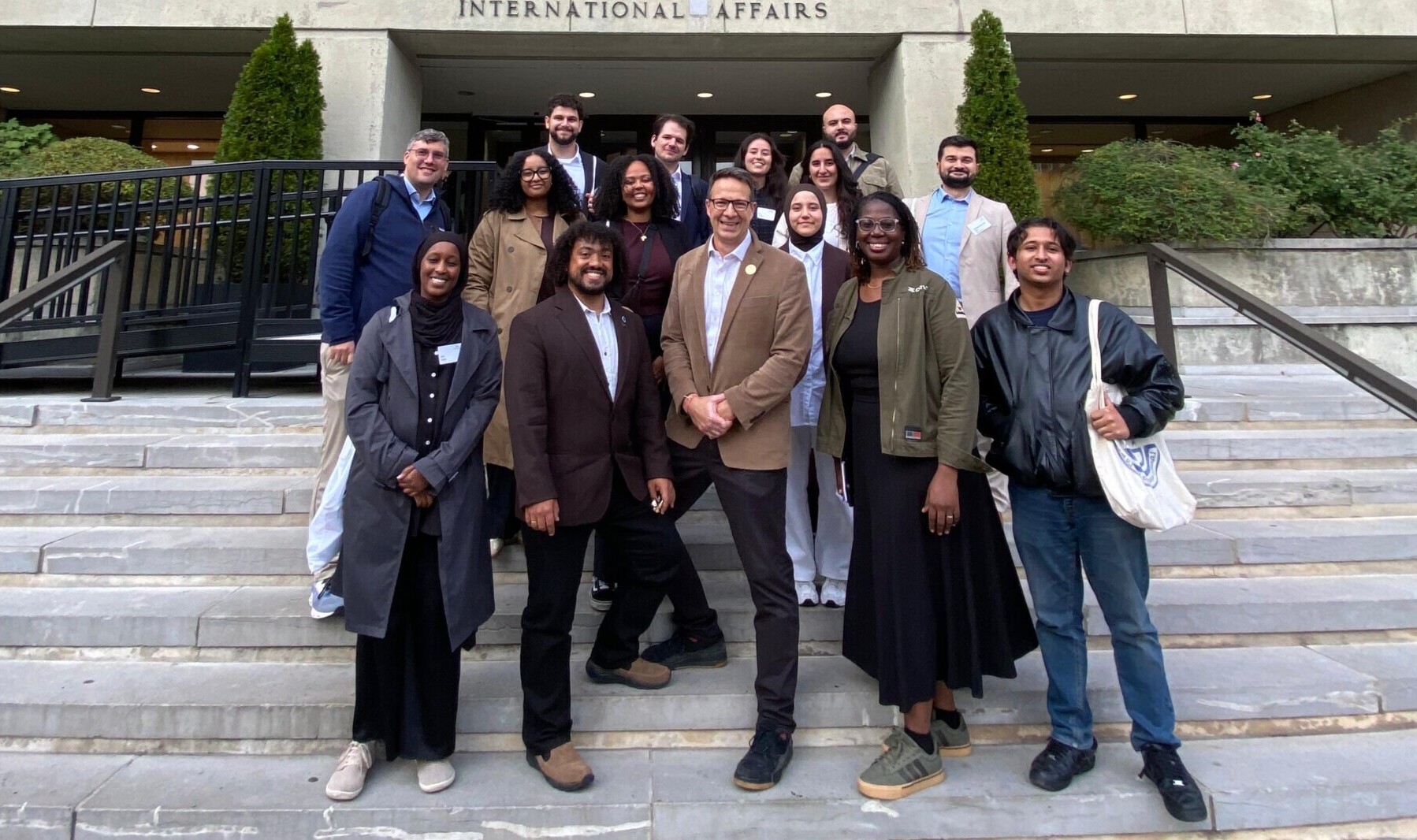
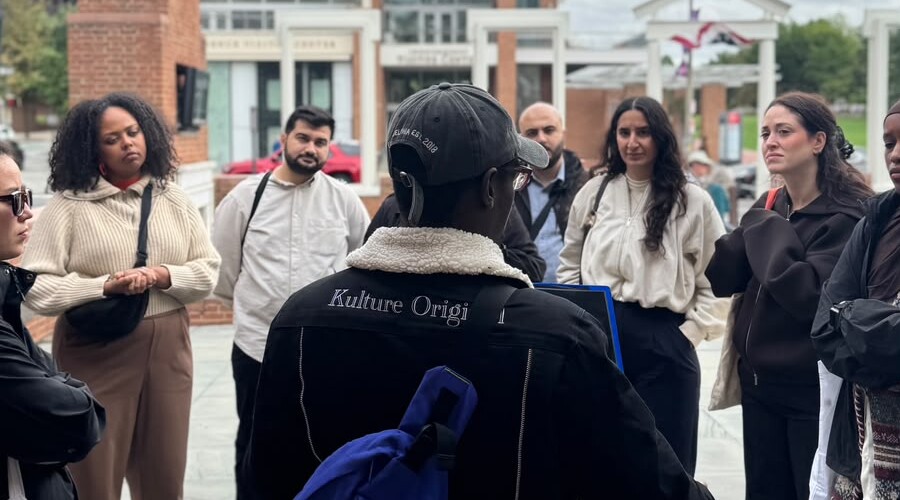
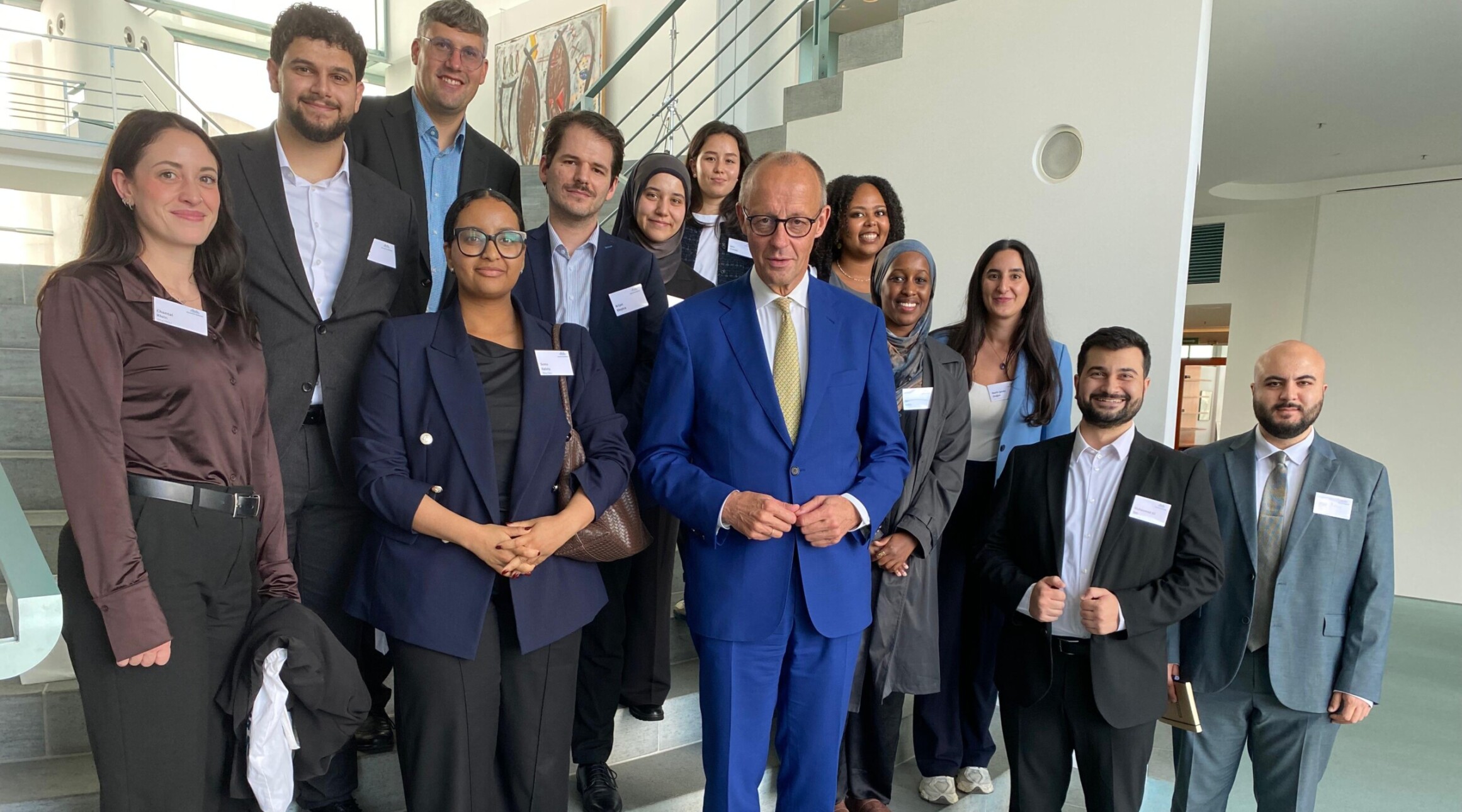
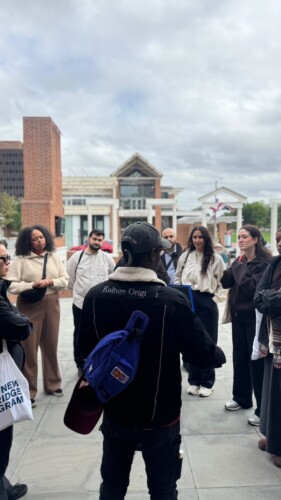
From Berlin to Washington, D.C., to Philadelphia and New York: each stop on the New Bridge journey offered a different perspective on the United States. Yet Philadelphia left perhaps the deepest impression, because it is a city of extremes. Closely associated with the founding ideals of the United States, it is also a place where roughly one in five residents lives in poverty. At the same time, it is a city where people stand up for one another, day after day. Philadelphia’s history makes these contrasts especially striking. William Penn envisioned Pennsylvania as a place of religious tolerance. Today, the city’s diversity remains one of its defining strengths, while opportunities are still shared unequally. Walking through Old City, our group encountered both the history Philadelphia is known for and the history people are fighting to keep visible.
That determination was especially visible at the President’s House site, where George Washington once lived. Exhibits telling the stories of people enslaved by his household had been removed and replaced by the current administration. In response, volunteers from Old City Remembers read aloud the text of the original panels so that visitors could still hear those stories. As the United States marks its 250th anniversary, their work raises a question about how the country remembers its founding: whose lives are included in the story? The volunteers’ answer was clear. African American history is American history, and its place in public memory is worth defending.
Our time in Philadelphia also brought a very different crisis into focus. Conversations about opioid use raised a question that reaches beyond drug policy: What does it mean to help someone recover? Trauma and difficulty coping with distress can play a role in substance use.
Treatment must make room for people to address that pain. Its purpose should be to help people heal, not simply to make them employable again.
As a physician from Germany, the discussion brought to mind the Frankfurt Model, which combines prevention, treatment, harm reduction, and action against drug trafficking. It offered a point of comparison for questions raised in Philadelphia about prohibition and whether it can make seeking support more difficult. No city has found a complete answer. But the possibility of changing course quickly may be one of the greatest opportunities: when communities, healthcare workers, and policymakers recognize an urgent need, they can rethink what care should look like and act on it.
Taking part in community work brought these questions closer still. It showed care as something broader than a professional service. Care can begin with showing up, knowing a neighborhood, and remaining engaged when a problem cannot be solved quickly.
People who live and work in a community often see needs that an institution looking in from the outside may miss.
Our time there also showed what resistance can look like in everyday life. It can begin when people refuse to accept that their neighbors’ needs or their stories will go unanswered and dismissed. A movement does not need to start with a fully formed plan. Sometimes it starts when someone shows up, listens, and invites the next person to join.
Philadelphia will remain memorable for its contrasts. Its history speaks of open doors and its present shows how unevenly opportunity is shared. Yet the people we met demonstrated a determination to support their communities and shape how their city moves forward. For a physician, that is a reason to look beyond treatment alone. It is a reminder that the strongest bridges are built by listening to the people whose lives are shaped by the decisions under discussion.