






By Kati Schneider, Young Leaders Alumna 2026
When watching transatlantic relations today, one is inevitably glued to the big political stage. In the spotlight: U.S. President Donald Trump and German Chancellor Friedrich Merz. The plot: every handshake in the Oval Office, scrutinized for whether diplomatic flattery will immediately be followed by the next public swipe. Observers endlessly debate whether common ground can still be found on Ukraine or tariffs. And what it means when the American president, responding to German criticism over Iran, publicly tells the Chancellor to focus on “fixing his broken country” instead.
Throughout Trump’s second term, conflicts like these have fueled the narrative that the transatlantic partnership is hanging by a thread. Let alone his earlier rhetoric about seizing Greenland and openly unsettling NATO ally Denmark. Yet, as in any theater play, the lead actors do not make up the entire ensemble. Behind and beside the main stage, countless other players sustain the performance and turn it into a cohesive whole. How effectively this ensemble collaborates far away from Washington and Berlin becomes strikingly apparent some 1,500 miles west of the U.S. capital. At the foot of the Rocky Mountains.
German companies are investing in the United States at near-record levels.
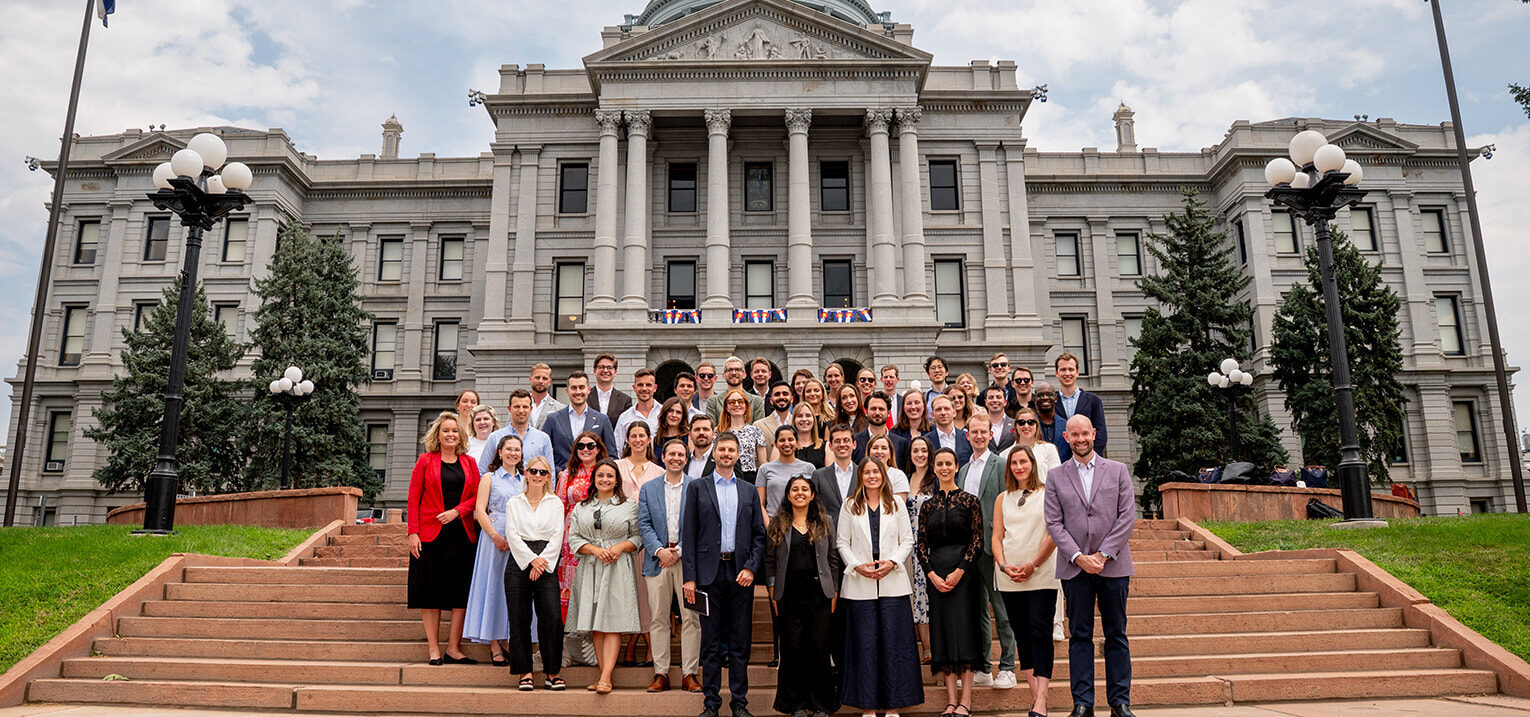
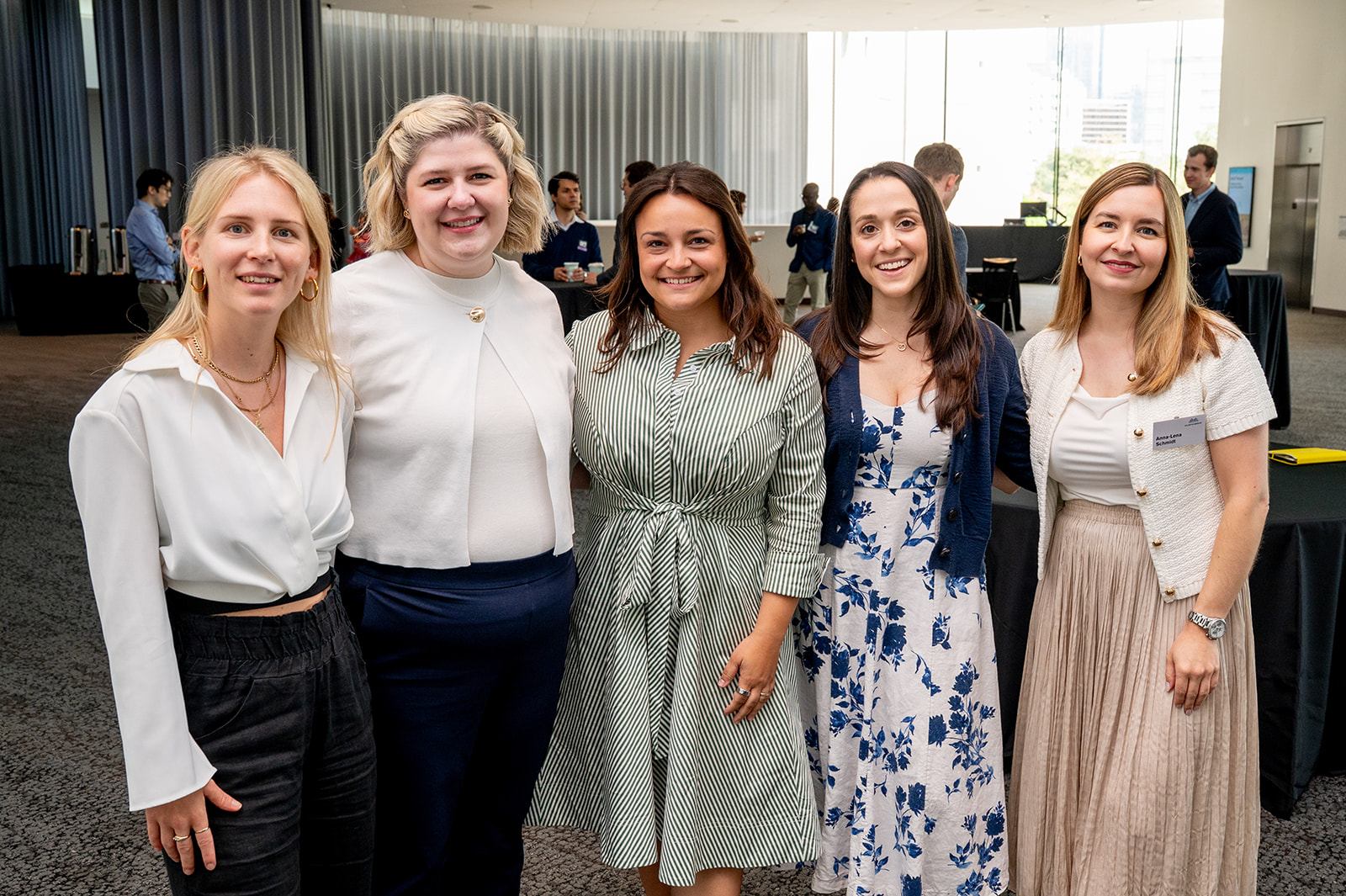
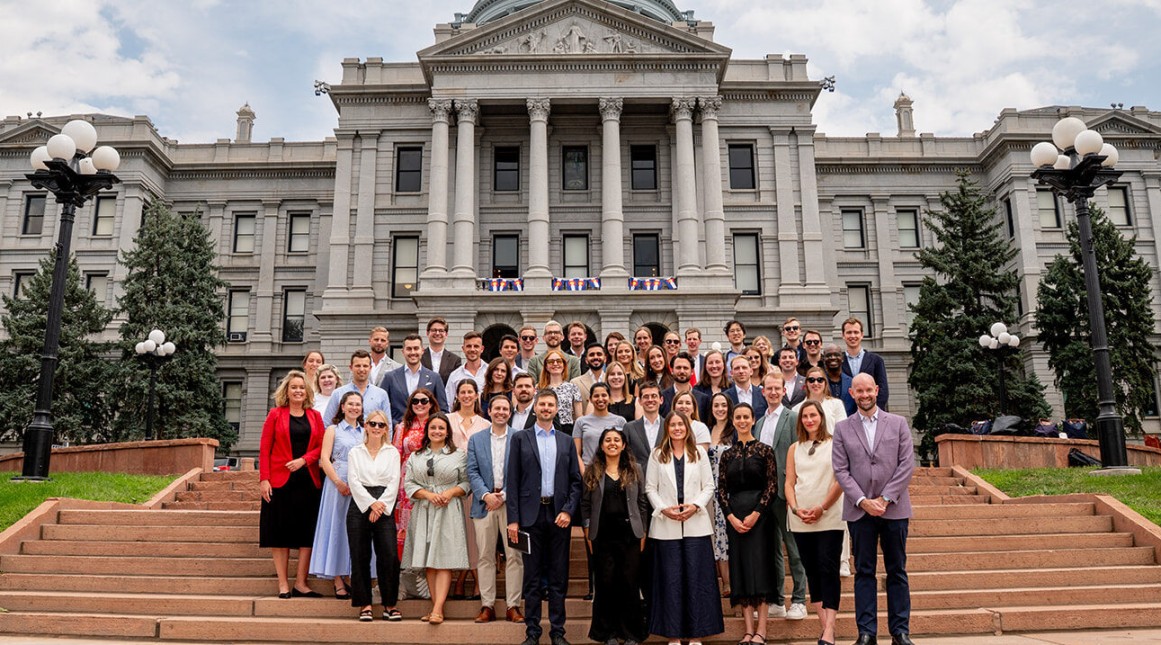
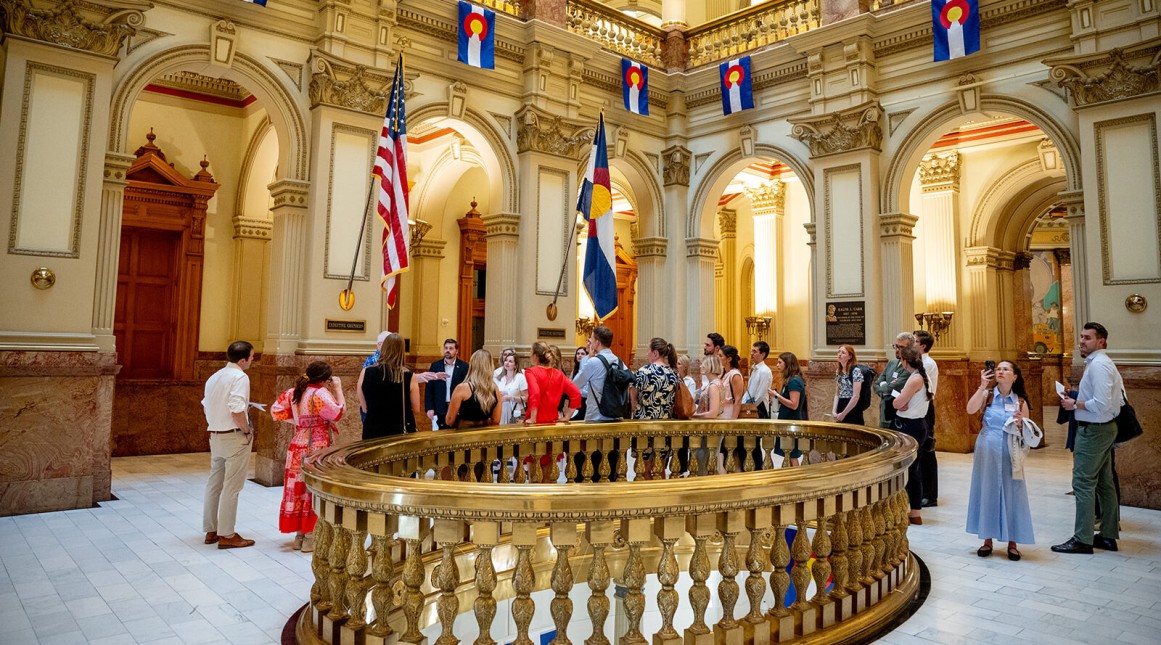
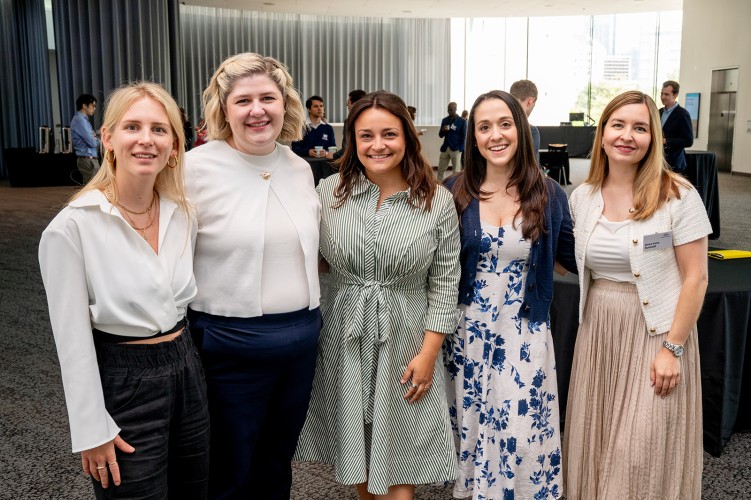
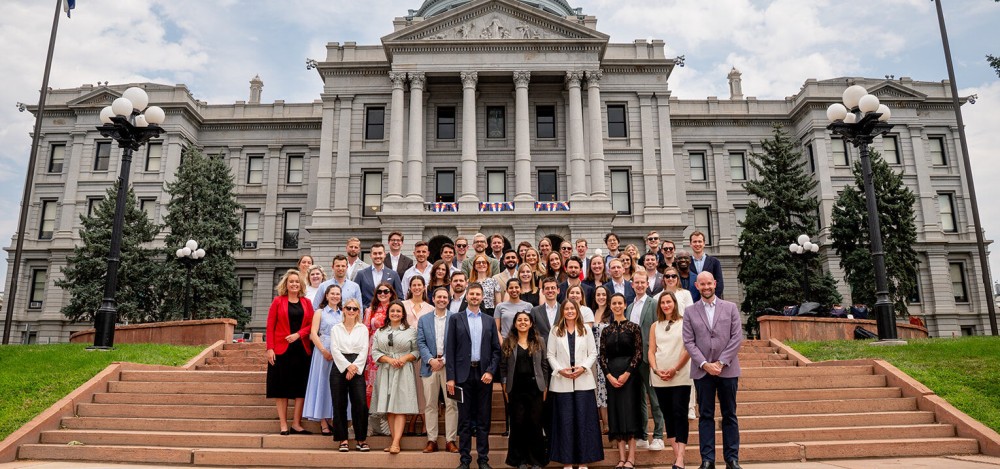
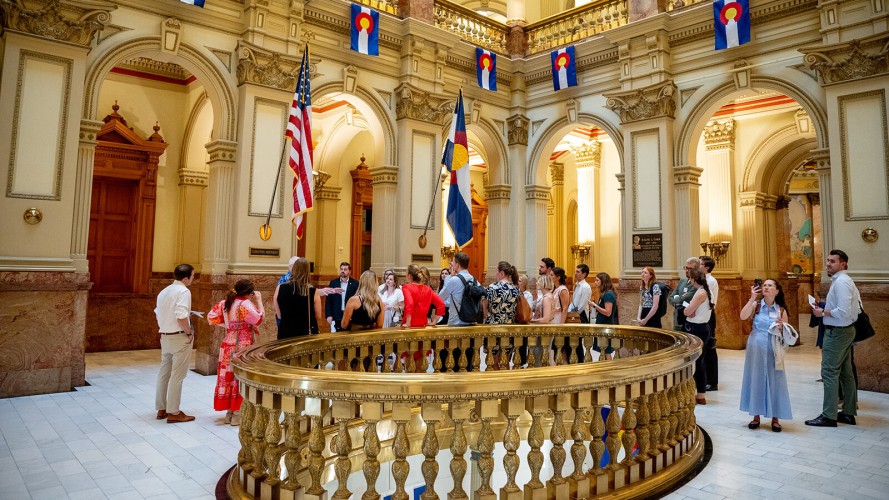
[related]At the Atlantik-Brücke Young Leaders Conference 2026, 50 leaders from Germany and the United States gathered in the Mile High City of Denver, discovering a far more nuanced and decidedly more optimistic reality of German American relations. Particularly on an economic level. While the constant threat of new tariffs unsettles European exporters, German companies are responding with a tangible counterstrategy: they are investing in the United States at near-record levels, as business leaders highlighted during a panel discussion at the Denver Art Museum with the Young Leaders.
To bypass tariffs and secure a presence in the world’s largest market, companies are expanding their footprint across the Atlantic. In the Denver metropolitan area, they find a contrast to the challenges back home, where soaring energy costs and suffocating bureaucracy frequently stall progress. Colorado, by contrast, offers a can-do spirit alongside hard location factors: 30 national research laboratories pioneering hubs in AI, quantum computing or aerospace and a highly professional talent pool. This exchange is actively supported on the ground by initiatives like the Bavarian Guild, born out of the Munich–Denver economic partnership to connect entrepreneurs and investors on a local level. When the city hosts the Denver Wiesn in autumn or its traditional Christkindlmarkt in winter, the deep connection between economic ties and cultural community becomes tangible. The takeaway seems clear: stop concentrating on what happens in Washington and simply get to work.
Local governments simply shoulder the load so that everyday life keeps running. Driven by a quality that has become all but extinct on the federal level: unyielding pragmatism.
But this boom succeeds, among other reasons, because the suburbs surrounding Denver make it possible. During a session with seven regional mayors, it quickly becomes evident that rapid growth brings challenges to the local level. Housing has become scarce and expensive, pricing out young talents, police officers, and teachers alike. Meanwhile, AI data centers demand enormous amounts of electricity and water in a region that has struggled with drought for years. The major reservoirs of the Colorado River system sit at barely a quarter of their capacity in August, a reality Young Leaders could witness firsthand during a whitewater rafting tour. And because more people are shopping online, large malls sit empty, costing cities the crucial local sales tax revenues they rely on.But in these suburbs, too, local leaders act quickly and look for real solutions. Abandoned malls are turned into new residential neighborhoods together with private developers. And when dealing with tech firms, cities negotiate water consumption and, if needed, put temporary building stops in place to set clear rules for power and water — without scaring companies away. Local governments simply shoulder the load so that everyday life keeps running. Driven by a quality that has become all but extinct on the federal level: unyielding pragmatism.
Because local American politics is far more than an ideological trench fight between Republicans and Democrats. “Potholes are neither red nor blue,” as one mayor pointedly remarked. At the regional mayors’ council, local leaders — many of them officially non-partisan but spanning both political spectrums — sit around a table, speak plainly and agree on compromises. Political polarization across the United States may be as real as ever. Yet on the local level, people quietly get on with fixing the things that actually shape daily life.
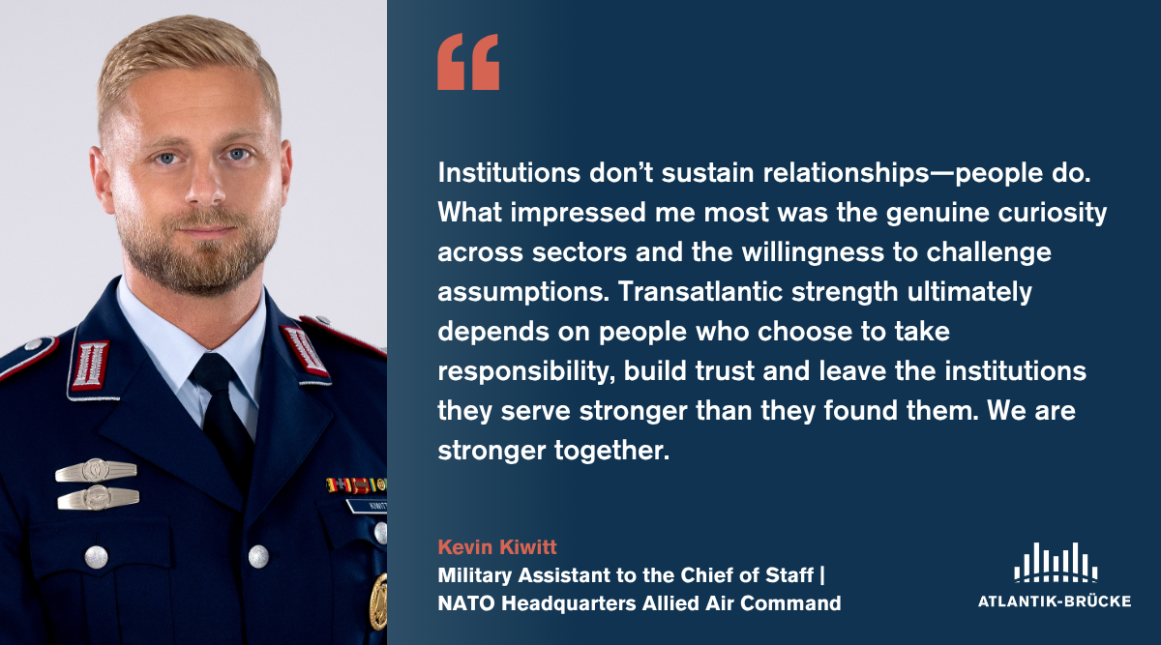
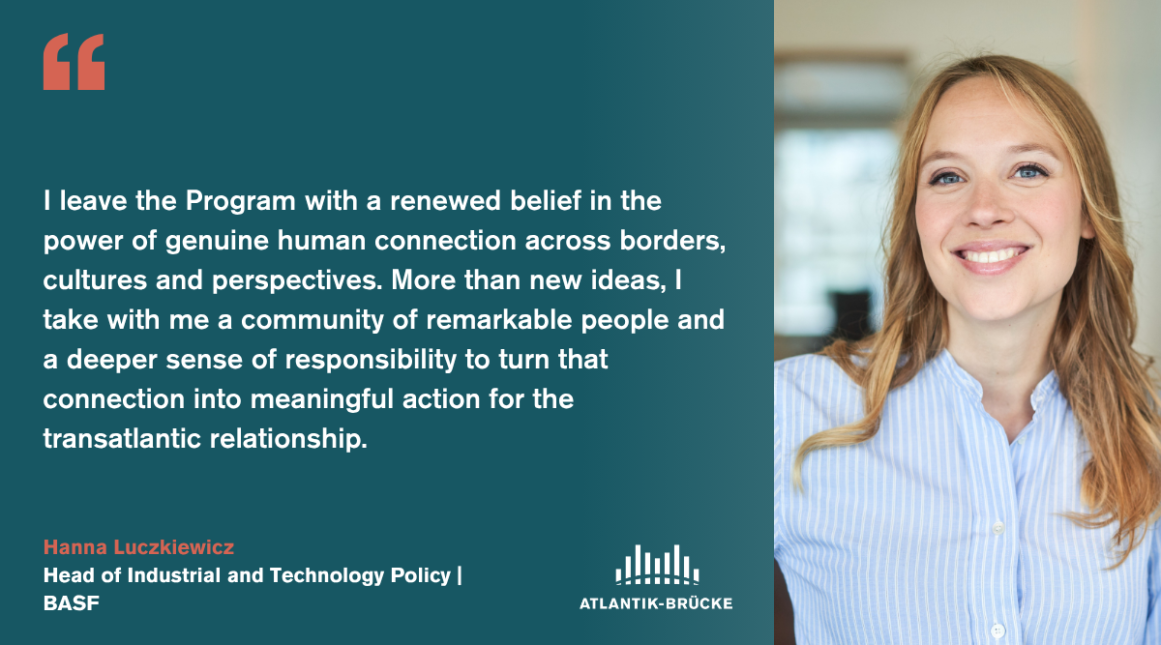
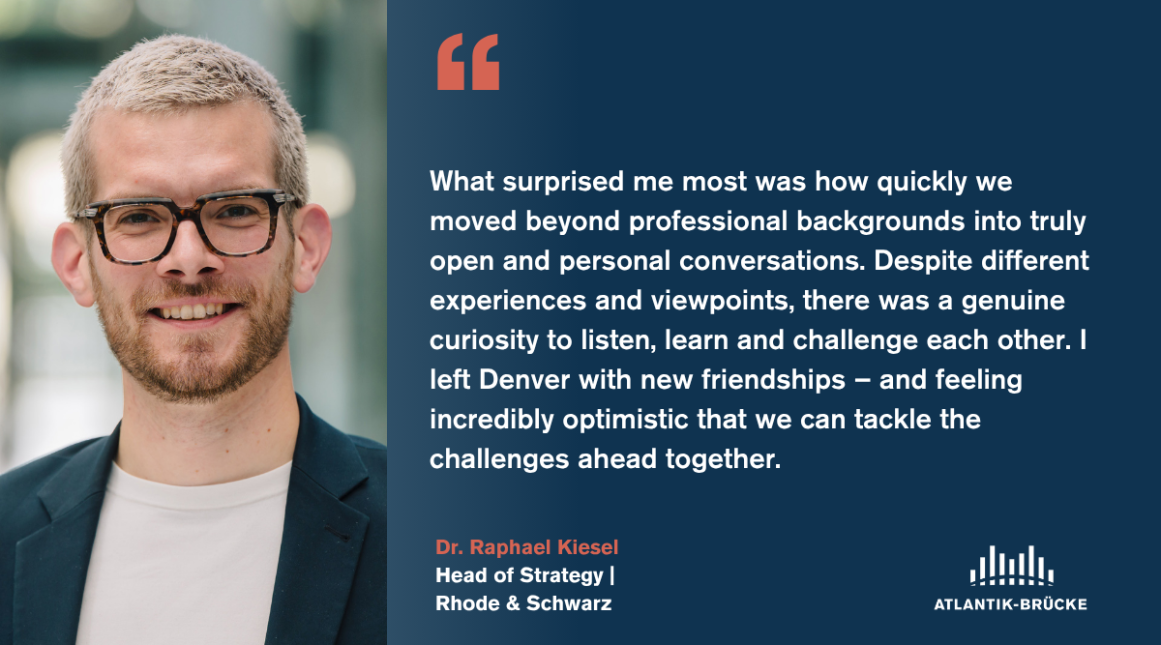
And this is perhaps one of the most vital takeaways of this conference for the Young Leaders. That genuine dialogue is still possible. And that the transatlantic bond is far more resilient than federal politics suggest. It is not sustained by summits and Truth Social posts alone. Anyone seeking to understand where German American relations truly stand should not concentrate solely on the next handshake in the Oval Office. Instead, look to where the foundation is actually built. In corporate headquarters and factory floors, in neighborhoods and town halls. Driven by people. Because thewell-known principle still holds true. All politics is — and economics may be — local.
Kati Schneider ist Redakteurin Audio und Gastgeberin des “F.A.Z. Podcast für Deutschland” und von “F.A.Z. Machtprobe – der Auslandspodcast”. Sie ist Young Leaders Alumna 2026 der Atlantik-Brücke.
Für weitere Einblicke unserer Young Leaders schauen Sie sich das folgende Video an.